


Language


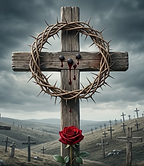


Claiming he is God
Search Results
搜尋此網站
以空白搜尋找到 100 個結果
- 53 | Answers4saints.com
We are to gather our tithes, first fruits, and free-will offerings and bring them to Jerusalem; we are to rejoice before YHVH using specific plant species; we are to take part of our tithes and feast on food &strong drink for seven days; we are to build a sukkah, and we are to have nothing but joy. Feasts of the LORD for the crossover people from death to life call Hebrews 1Then the LORD said to Moses, 2“Speak to the Israelites and say to them, ‘These are My appointed feasts, the feasts of the LORD that you are to proclaim as sacred assemblies. 3For six days work may be done, but the seventh day is a Sabbath of complete rest, a day of sacred assembly. You must not do any work; wherever you live, it is a Sabbath to the LORD.… God's feast days commandment not optional The Biblcai calander how do I start following it The Biblical Holy Days, Part 1 The Biblical Holy Days, Part 2 The Biblical Holy Days, Part 3 What is Shauvot and why is it so important? 7 Feast of the Lord Feast of the Lord Passover more information please click here Feast of unleaven bread Feast of First Fruits Pentecost Feast of Trumpets Feast of Tabernacles Sukkot Day of Atoinment The Biblical Feast Days
- Worship God in Spirit n Truth | Answers 4 Saints
Worship God in Spirit and Truth You can not come before God with anything you are nothing Spirit You can not come before God with anything you are nothing Spirit Body and Soul Narrow Gate & Path Key points about these verses: Nature of God: John 4:24 establishes that God is a Spirit, requiring spiritual worship. Guidance and Strength: Romans 8:26 highlights the Holy Spirit's role in assisting believers in prayer, even when they don't know what to ask for. Living a Christian Life: Galatians 5:16 encourages walking in the Spirit to resist fleshly desires. Respecting the Holy Spirit: Ephesians 4:30 warns against grieving the Holy Spirit, implying His personhood. Teaching and Remembrance: John 14:26 describes the Holy Spirit as the "Helper" who will teach and remind believers of Jesus' words. Spiritual sacrifices Do justice Do kindness and walk humbly with your God A broken spirit A broken and contrite heart Lear to do good Seek justice Defend the orphan Plead for the widow Love your neighbor as yourself The verse "Draw near to God and he will draw to you" is found in James 4:8 It is a promise highlighting that when individuals take steps to pursue a relationship with God—through prayer, repentance, and repentance—He responds by drawing near to them, offering intimacy, grace, and presence. Romans 10:10 states: "For it is with your heart that you believe and are justified, and it is with your mouth that you profess your faith and are saved." This verse highlights that salvation involves internal faith in Yeshua resurrection and external confession of Him as Lord, marking a move from legalism to grace. . Key Interpretations of Romans 10:10: Internal and External: It unites internal transformation with external testimony. Heart Belief (Justification): Faith in the heart refers to true, internal trust in God, which makes a person righteous (justified) in God’s sight. Mouth Confession (Salvation): Openly declaring that Jesus is Lord is the outward expression of that internal faith, leading to the assurance of salvation. Role of Grace: This verse underscores that salvation is a gift from God based on faith, not by works or personal performance The Absolute Requirement Romans 8:9 “If anyone does not have the Spirit of Christ, he does not belong to Him ” This is not a suggestion. It is a clear dividing line. E zekiel 36:27“I will put My Spirit within you and cause you to walk in My statutes, and you will keep My judgments and do them. ” The Holy Spirit was never given so we could continue living however we want. His primary work is to empower and cause us to obey the Father’s Torah.1 John 3:24“Now he who keeps His commandments abides in Him, and He in him. And by this we know that He abides in us, by the Spirit whom He has given us.”You can only have confidence that the Spirit of God truly lives in you if you are actively keeping His commandments. Acts 5:32“And we are His witnesses to these things, and so also is the Holy Spirit whom God has given to those who obey Him.”God does not give His Holy Spirit to the rebellious or the lawless. He gives the Spirit to those who obey Him The Primary Test from Scripture 1. Do you belong to Yeshua? (The foundational test) Romans 8:9 “But you are not in the flesh but in the Spirit, if indeed the Spirit of God dwells in you. Now if anyone does not have the Spirit of Christ, he is not His.” If you truly belong to Yeshua (you have repented and trusted in Him), then you have the Spirit. But the next verses show how we can know it is real. 2. Is the Spirit causing you to obey God’s commandments? Ezekiel 36:27 “I will put My Spirit within you and cause you to walk in My statutes, and you will keep My judgments and do them.” This is one of the clearest promises in the New Covenant. The Holy Spirit’s job is not just to make us feel saved — He causes obedience to the Father’s Torah (statutes and judgments). 3. Do you keep His commandments? 1 John 3:24 “Now he who keeps His commandments abides in Him, and He in him. And by this we know that He abides in us, by the Spirit whom He has given us.” John says this is how we know the Spirit is in us — by a lifestyle of keeping God’s commandments. 4. Has God given you the Spirit because you obey Him? Acts 5:32 “And we are His witnesses to these things, and so also is the Holy Spirit whom God has given to those who obey Him.” Obedience and the presence of the Spirit go together. God does not give His Spirit to those who persist in rebellion and lawlessness. Additional Evidences (Supporting Signs) While obedience is the clearest biblical test, other signs often appear when the Spirit is truly at work: The fruit of the Spirit growing in your life: love, joy, peace, patience, kindness, goodness, faithfulness, gentleness, and self-control (Galatians 5:22-23). A deepening love for God, His Word, and His ways. Conviction of sin when you disobey (the Spirit will not let you stay comfortable in sin). A desire and growing ability to walk in holiness rather than the desires of the flesh. A Straightforward Answer You can know you have the Spirit of Christ if: You truly belong to Yeshua, and Your life is marked by a real, growing obedience to the Father’s commandments (not perfect sinlessness, but a clear direction away from lawlessness and toward holiness). If someone claims to have the Spirit but continues living in open rebellion against God’s Torah with no conviction or desire to change, the Bible says that is a serious warning sign (see also 1 John 2:3-6 and Matthew 7:21-23). The Final Verdict To truly “belong to Him” is to be born again — not just in words, but with a total change of identity. You are transferred from the family of rebels on the Broad Way into the family of obedient sons and daughters on the Narrow Path. Here is the sobering test: If the Holy Spirit is not causing you to walk in the Father’s Torah — His statutes and judgments — then you are still ruling your own life. You may boast that you are “free” from the Law, but in reality you are “free” from the King’s authority, “free” from His protection, and outside the gates of the New Jerusalem. Yeshua warned: “Not everyone who says to Me, ‘Lord, Lord,’ will enter the Kingdom… but only he who does the will of My Father” (Matthew 7:21). The Process of Being Born Again (Including Baptism) Being born again is a supernatural work of God through His Holy Spirit. It is not earned by human effort, but it follows a clear biblical pattern. Here is the full process: Hearing the Word of God The process begins when a person hears the gospel — the good news that Yeshua the Messiah died for our sins, was buried, and rose again on the third day (1 Corinthians 15:3-4; Romans 10:17). Conviction by the Holy Spirit The Holy Spirit convicts the heart of sin, righteousness, and judgment (John 16:8). The person recognizes their rebellion against God’s Torah and their desperate need for forgiveness and a new heart. Repentance True repentance is a change of mind and direction. You turn away from sin and self-rule (the Broad Way of lawlessness) and turn toward God with a willingness to obey Him (Acts 3:19; Luke 13:3). Faith / Belief in Yeshua You place your full trust in Yeshua as Lord and Savior, believing that His blood cleanses you from all sin and His resurrection gives you new life (Ephesians 2:8-9; John 3:16). The Miracle of New Birth (Regeneration) God sovereignly causes you to be born again by His Spirit. You receive a new heart and a new spirit (Ezekiel 36:26). The Holy Spirit comes to live inside you and begins to cause you to walk in the Father’s statutes and judgments (Ezekiel 36:27; Romans 8:9). Water Baptism – The Outward Act of Obedience After being born again, the next step of obedience is water baptism. Baptism is not what saves you or causes the new birth, but it is the biblical way to publicly identify with Yeshua’s death, burial, and resurrection. “Repent, and let every one of you be baptized in the name of Yeshua the Messiah for the remission of sins; and you shall receive the gift of the Holy Spirit.” (Acts 2:38) Baptism is an act of burial (the old rebel life is buried) and resurrection (you rise to walk in newness of life). It is a public declaration: “I no longer belong to myself — I belong to Yeshua and His Kingdom.” Obedience as Ongoing Evidence The Holy Spirit now lives in you and produces fruit. You know the Spirit is truly in you because you keep God’s commandments and walk in His ways (1 John 3:24; Acts 5:32). A. The "Death" of the Old Man Born Again You cannot be "Born Again" until the "Old Man" (the rebel who hates the Sabbath and the Dietary Laws) dies. You must surrender your "opinion" to the King's Truth. The Broad Way: Tries to "add" Jesus to their old, lawless life. The Narrow Path: Buries the old life and rises as a New Creation. B. The "Implantation" of the Seed Peter says we are born again by the Incorruptible Seed of the Word (1 Peter 1:23). The Seed: The Torah (The Father's Instructions). The Growth: When the Spirit plants this seed in your heart, it must produce the Father's fruit. If you are born of a Holy Father, you will produce Holiness (Obedience). C. The "Sealing" (The Passport) The moment the Spirit enters, you are Sealed (Eph 1:13). This is your "Identification" for the New Jerusalem. The Proof: How do you know the "Transaction" happened? Ezekiel 36:27 says the Spirit will cause you to walk in His statutes. If you aren't walking in them, the transaction didn't take place. The Condensed "Born Again" Summary "Being Born Again is the moment you trade your 'Lawless Autonomy' for the King’s 'Spirit-Led Obedience.' It’s when the Holy Spirit moves in, kills the rebel in you, and starts rewriting the Father’s Torah on your heart so you can finally 'Hit the Mark' (Righteousness)." The "Attention-Grabbing" Question "If being Born Again means receiving a New Nature that loves the King’s Ways, then why are you still using your 'Grace' as a reason to keep the same 'Old Nature' that ignores His Sabbath and His Laws?" The Transformation The New Nature: "Therefore, if anyone is in Christ, he is a new creation; old things have passed away; behold, all things have become new." — 2 Corinthians 5:17 Spirit and Water: "Unless one is born of water and the Spirit, he cannot enter the kingdom of God." — John 3:5 The Result: Obedience shifts from an external "rule" to an internal "desire," fulfilling the promise that the Law would be written on our hearts (Jeremiah 31:33). The Transformation From Law to Heart: Obedience is no longer a struggle against your nature; it becomes the desire of your new nature. The Public Seal: Baptism serves as the official "crossing over" from the world's kingdom into God's Kingdom. The Result: Your internal spirit and external actions (Truth) finally align, allowing you to worship in a way that is both sincere and grounded in reality.
- The Yeshua Nobody Wants to Know | Answers 4 Saints
Beyond the gentle Savior: why He said He came to bring a sword, not peace on earth (Matthew 10:34-39), and the cost of following Him publicly. Most Christians dont follow the real Jesus How to Pronounce Yeshua? (CORRECTLY) How to Pronounce YehoVah Breaking the Silence | WHY 99% of Churches Are NOT Telling You This A Rood Awakening! 233K subscribers Subscribe The word was God video IS JESUS A CHRISTIAN? The real Jesus Watchman Message In the message in Hosea, Yehovah is saying my people are destroyed for lack of knowledge. He is warning us that it is our responsibility to give them warning from Him, about the coming wrath that is coming on this earth. Our Father repeated these few verses, He wants us to understand that He is serious, and will hold us accountable if we don't warn them (“son of man" denotes mankind generally) Hebrew people, The Yeshua Nobody Wants to Know Based on the text you provided, here is the clear, direct breakdown listing the two different sides of the Messiah, the different types of peace, the different human responses, and the specific things the Father despises. ⚔️ The Two Different Portraits of Yeshua 1. The Yeshua Everyone Wants to Know This is the popular, comfortable image of the Messiah that modern culture and many teachers love to focus on exclusively. It is characterized by: Gentleness, forgiveness, and unconditional love. A Savior who loves His enemies, forgives prostitutes, touches the untouchable lepers, and feeds the hungry. An image that demands very little personal sacrifice from the person looking at it. 2. The Yeshua Nobody Wants to Know This is the demanding side of the Messiah found in Matthew 10, which people often choose to forget or skip over because it causes heavy social and internal friction. It is characterized by: Being demanding and "brutally straightforward" about the cost of discipleship. Holding nothing back and declaring: "I did not come to bring peace, but a sword" (v. 34). Demanding that loyalty to Him and His truth comes before loyalty to your own father, mother, son, or daughter (v. 37). 🕊️ The Two Different Types of Peace The text corrects a major false assumption about the Messiah's mission on earth by splitting "peace" into two distinct categories: Peace on Earth (The False Assumption): The worldly expectation that the Messiah's goal was to bring immediate, horizontal harmony, social ease, and comfort among men on this earth. Yeshua flatly rejects this: "Do not think that I came to bring peace on the earth." Peace with God (The True Gospel Goal): Vertical reconciliation between a holy Creator and a sinful humanity (Romans 5:1). This true peace with the Father requires a sword of division on earth, separating those who obey from those who rebel. 👥 The Two Different Responses of Mankind 1. Those Who Turn Away and Refuse to Listen This group chooses their own comfort and traditions over the explicit commands of God. Their actions are listed directly from Isaiah 66: When the Father calls, they do not answer. When He speaks, they do not listen. They deliberately sin before His very eyes. They choose to do what they know He despises. 2. Those Who Acknowledge Him Publicly This is the remnant—the watchmen and the saints—who choose the narrow, demanding road: They acknowledge Him publicly here on earth, regardless of the sword of division or the social cost in their own families. The Reward: Yeshua promises, "Everyone who acknowledges me publicly here on earth, I will also acknowledge before my Father in heaven" (Matthew 10:32). 🚫 What the Father Openly Despises Isaiah 66:17 draws a sharp line regarding what brings people to a "terrible end" under the flaming fire of His hot rebuke. He specifically despises: False "Sanctification": People who try to "consecrate" and "purify" themselves using pagan traditions, human-made doctrines, or customized religious rituals (symbolized by the sacred garden with its idol in the center). Dietary Defiance: T hose who actively claim to be close to Him while feasting on pork, rats, and other detestable meats that His Torah explicitly forbids. The Watchman's Conclusion: You cannot separate the gentle Savior from the demanding Judge. To accept a Messiah of "peace" while rejecting His sword of division and His laws is to worship a false image. The evidence of true faith is the willingness to stand on the side of the sword that cuts us away from the traditions of men, so that we can be acknowledged before the Father on the day of reckoning. Matthew 10:34-39 By Reverend Bryn MacPhail If I were to ask you today to name some characteristics of Yeshua, what would you name? If you were describing the personality of Yeshua to someone, what adjectives would you use? Think of some in your head, and I will share with you the first ones that came to my mind. The three characteristics that immediately came to my mind were: GENTLE, FORGIVING, and LOVING. My guess is that most of you think of Yeshua in similar terms as well. When I came to the end of chapter 10 in Matthew, however, I got a very different portrait of Yeshua. After reading this section, not many people, until reading this particular section in Matthew, know this side of Yeshua. And if we are aware of this side of Yeshua, we often choose to forget about it. We are anxious to hear how Yeshua loves His enemies, forgives prostitutes, touches lepers, and feeds the hungry, but that's it. The Yeshua we see in chapter 10, verses 34-39–this Yeshua, quite frankly, is the one that nobody wants to know. But if I skipped this section, you would miss an essential side of Yeshua. The side of Yeshua that is DEMANDING. This is where Yeshua is, what you might term "brutally straight forward". He holds nothing back here. "Do not think that I came to bring peace on the earth; I did not come to bring peace, but a sword" (v.34). What a shocking statement! Yeshua "did not come to bring peace, but a sword"? Why would He say such a thing? What Yeshua is doing here is He is correcting false assumptions about what the Jewish Messiah's mission was. According to Isaiah 9:5-7, the Messiah is described as the "Prince of Peace". The interpreters of the Hebrew Scriptures took that to mean that the Messiah would be the "Prince of Peace" ON EARTH. That, however, was not Yeshua' mission. The ultimate goal of the Gospel was, and is, not harmony on earth, but PEACE WITH GOD (Rom. 5:1). Yeshua says, "Do not think that I came to bring peace ON THE EARTH", but He did come to make peace between God and humanity (Rom. 5:1). I will send them great trouble— REPENT and live all the things they feared. When I called, they did not answer. When I spoke, they did not listen. They deliberately sinned before my very eyes and chose to do what they know I despise.” Isaiah 66: 4 See, the Lord is coming with fire, and his swift chariots roar like a whirlwind. He will bring punishment with the fury of his anger and the flaming fire of his hot rebuke.16 The Lord will punish the world by fire and by his sword. He will judge the earth, and many will be killed by him.17 “Those who ‘consecrate’ and ‘purify’ themselves in a sacred garden with its idol in the center —feasting on pork and rats and other detestable meats—will come to a terrible end,” says the Lord. Isaiah 66:4 32“Everyone who acknowledges me publicly here on earth, I will also acknowledge before my Father in heaven. 33 But everyone who denies me here on earth, I will also deny before my Father in heaven.34“Don’t imagine that I came to bring peace to the earth! I came not to bring peace, but a sword.35‘I have come to set a man against his father, a daughter against her mother, and the daughter-in-law against her mother-in-law. Your enemies will be right in your own household! ’l 37 “If you love your father or mother more than you love me, you are not worthy of being mine; or if you love your son or daughter more than me, you are not worthy of being mine. 38 If you refuse to take up your cross and follow me, you are not worthy of being mine. 39If you cling to your life, you will lose it; but if you give up your life for me, you will find it. Matthew 10:34-39 Take Up Your Cross and Follow Yeshua If anyone would come after me, let him deny himself and take up his cross and follow me 24 Then Yeshua told his disciples, “. 25 For whoever would save his life[a] will lose it, but whoever loses his life for my sake will find it. 26 For what will it profit a man if he gains the whole world and forfeits his soul? Or what shall a man give in return for his soul? Matthew 16:24 And anyone who believes in God’s Son has eternal life. Anyone who doesn’t obey the Son will never experience eternal life but remains under God’s angry judgment.” John 3: 3And we can be sure that we know him if we obey his commandments. 4If someone claims, “I know God,” but doesn’t obey God’s commandments, that person is a liar and is not living in the truth. 5 But those who obey God’s words truly show how completely they love him. That is how we know we are living in him. 6Those who say they live in God should live their lives as Yeshua did.1 John 2:3 He kept the Leviticus food laws, he kept the Sabbath, He kept Yehovah feast days and he kept the commandments. Why don't we follow the only perfect example there is? “Don’t misunderstand why I have come. I did not come to abolish the law of Moses or the writings of the prophets. No, I came to accomplish their purpose.8For I tell you truly until heaven and earth pass away, not a single jot, not a stroke of a pen, will disappear from the Law until everything is accomplished. We are to seek, serve, and obey.
- 你重生了吗? | Answers 4 Saints
你重生了吗?这不是可选项。约翰福音3章16节与初熟果子的复活,来自 Answers 4 Saints。 Are you Born again Worship God in Spirit and Truth The Gospel Deuteronomy 13 TEST Are you a true Christian? John 3:16 says: “For God so loved the world that he gave his one and only Son, that whoever believes in him shall not perish but have eternal life.” Meaning: “God so loved the world” — God's love extends to all people. “He gave his one and only Son” — God sent His Son for the salvation of mankind. “Whoever believes in him” — The promise is available to anyone who places their faith and trust in Him. “Shall not perish” — Believers are delivered from eternal separation from God. “But have eternal life” — They receive everlasting life with God. Simple Summary: John 3:16 teaches that God loved humanity so much that He gave His Son so that those who believe in Him may receive eternal life rather than perish. Context: These words were spoken by Jesus during a conversation with Nicodemus about the necessity of being born again and entering the Kingdom of God. Are you Born again Yes, that is a profound structural truth in God's plan. Yeshua was literally the first human to be physically raised from the dead into an immortal, glorified body. Scripture calls Him "the firstborn from the dead" (Colossians 1:18) and the "firstfruits of those who have fallen asleep" (1 Corinthians 15:20). By looking at Christ's physical resurrection, we get the exact blueprint for what happens to the saints. The Pattern: Firstfruits and the Harvest In the biblical agricultural cycle—which God uses to explain His plan of salvation—the priest would wave the single sheaf of the Firstfruits harvest before the Father. Only after that first sheaf was accepted could the rest of the harvest be gathered. Yeshua fulfilled this perfectly. He rose as the perfect Firstfruits. Because He broke the power of physical death, those who belong to Him will follow the exact same pattern when He returns. The Ultimate Transformation When the saints are raised at His second coming, they don't return as temporary, mortal flesh like Lazarus did. They receive a physical, permanent, immortal body just like the one Yeshua walked out of the tomb with. As Paul wrote in 1 Corinthians 15:52-53: "...the dead will be raised incorruptible, and we shall be changed. For this corruptible must put on incorruption, and this mortal must put on immortality." Connecting Physical Resurrection to the Law This physical reality hits modern church traditions with an undeniable challenge: If Yeshua is the firstborn of a brand-new creation, and we are waiting to be physically raised into glorified bodies just like His, why would we live our temporary lives in rebellion to the laws He obeyed? When Yeshua walked the earth in His physical body, He perfectly kept the Sabbath, the dietary laws, and the Feasts. When He rose from the dead, He didn't change. For a Christian to claim they are waiting to inherit a resurrection body like Christ's, while actively treating His Father's commandments as dead, is a total disconnect. "Yeshua told Nicodemus that what is born of the flesh is flesh, and what is born of the Spirit is spirit, moving like the wind. If you claim you are already fully 'born again' right now, why are you still trapped in a temporary body of flesh and blood instead of a glorified, immortal spirit body? Are you confusing the earnest promise of the Holy Spirit inside you today with the actual, physical rebirth that only happens at the resurrection of the dead?" Jesus Teaches Nicodemus 3 Now there was a Pharisee, a man named Nicodemus who was a member of the Jewish ruling council. 2 He came to Jesus at night and said, “Rabbi, we know that you are a teacher who has come from God. For no one could perform the signs you are doing if God were not with him.” 3 Jesus replied, “Very truly I tell you, no one can see the kingdom of God unless they are born again.[ a ]” 4 “How can someone be born when they are old?” Nicodemus asked. “Surely they cannot enter a second time into their mother’s womb to be born!” 5 Jesus answered, “Very truly I tell you, no one can enter the kingdom of God unless they are born of water and the Spirit. 6 Flesh gives birth to flesh, but the Spirit[ b ] gives birth to spirit. 7 You should not be surprised at my saying, ‘You[ c ] must be born again.’ 8 The wind blows wherever it pleases. You hear its sound, but you cannot tell where it comes from or where it is going. So it is with everyone born of the Spirit.”[ d ] 9 “How can this be?” Nicodemus asked. 10 “You are Israel’s teacher,” said Jesus, “and do you not understand these things? 11 Very truly I tell you, we speak of what we know, and we testify to what we have seen, but still you people do not accept our testimony. 12 I have spoken to you of earthly things and you do not believe; how then will you believe if I speak of heavenly things? 13 No one has ever gone into heaven except the one who came from heaven—the Son of Man.[ e ] 14 Just as Moses lifted up the snake in the wilderness, so the Son of Man must be lifted up,[f ] 15 that everyone who believes may have eternal life in him.” Proverbs 3:5-6 Trust in the LORD with all thine heart, and lean not unto thine own understanding. In all thy ways acknowledge him, and he shall direct thy paths. 1. "Trust in the LORD with all thine heart" Meaning: Total dependence on God, not self-reliance (Prov 28:26). Insight: Relational surrender to God’s unchanging character. 2. "And lean not unto thine own understanding" Meaning: Reject intellectual pride; human wisdom is flawed (Prov 14:12). 3. "In all thy ways acknowledge him" Meaning: Constant God-consciousness in every area (Col 3:17). Insight: Turns daily life into guided obedience. 4. "And he shall direct thy paths" Meaning: God’s promise of sovereign guidance (Ps 37:23).
- What Paul Said About the Law | Answers 4 Saints
Why Paul and Yeshua do not contradict: works of the law versus God's commandments, Acts 24:14, and Peter's warning in 2 Peter 3:16. A. How You Get In vs. How You Walk Paul’s Focus: Paul was dealing with a massive crisis: institutional religious leaders were telling Gentile converts that they couldn't be saved unless they underwent ritual circumcision and converted to Judaism before trusting in Yeshua (Acts 15:1). Paul fought this fiercely. He argued that a person is justified (cleared of their past guilt) by faith in Yeshua's sacrifice, not by their own track record of keeping the law. You cannot earn your way out of past sins. Yeshua’s Focus: Yeshua was speaking to people who already knew the Torah but were faking it. He focused on how a saved person walks. Once you are in the covenant by faith, obedience is the fruit of your love for Him. B. "Works of the Law" vs. "The Commandments" When Paul uses the phrase "works of the law" (especially in Galatians and Romans), he isn't talking about God's Ten Commandments or the Sabbath. In the first-century Hebrew mind, "works of the law" (ma'asei ha-torah) referred to man-made religious decrees, traditional conversion rituals, and legalistic checklists used to separate Jews from Gentiles. Paul fought man-made legalism, but he loved God’s literal law. He explicitly wrote: "The law is holy, and the commandment is holy and righteous and good" (Romans 7:12). C. The Target: The Great Harlot's Loophole The institutional church system (the "Great Harlot") took Paul's complex arguments about Gentile inclusion and twisted them into a license for lawlessness . They used Paul to create a loophole to throw out the Sabbath, ignore the dietary laws, and abandon the appointed feasts—the exact opposite of how Yeshua lived. If Paul actually taught that the Sabbath was abolished or that God's food laws didn't matter, he would have been a false prophet according to Deuteronomy 13. But Paul defended himself against that exact accusation in a Roman court: "I confess to you, that according to the Way, which they call a sect, I worship the God of our fathers, believing everything laid down by the Law and written in the Prophets." — Acts 24:14 The Verdict The difference is not that Yeshua said "Obey" and Paul said "Don't." The truth is that Yeshua is the Standard, and Paul is the Commentary. Yeshua showed us what the perfect walk looks like. Paul explained how the rest of the world (the Gentiles) could be grafted into that exact same olive tree through faith (Romans 11). If anyone interprets Paul in a way that contradicts the clear, commandment-keeping lifestyle of Yeshua, they are doing exactly what Peter warned against: twisting Paul’s words into the error of the lawless. In 2 Peter 3:15-16, Peter refers to Paul as a "beloved brother" who wrote with wisdom given to him. Peter acknowledges that some of Paul's writings are hard to understand, noting that ignorant and unstable people twist them—along with "other Scriptures"—to their own destruction God righteousness is His Torah When we read The Torah keep in mind there is a difference between Gods law and the works of the law mans law .CONCLUSIONS The “no-law” doctrine has taken Paul’s “hard to understand writings They interpret the works of the law which is the oral law of the Jews to mean that the laws of God given through Moses are no more, and in so doing, have elevated Paul’s teachings above the teaching of Yeshua and the very words of God. The filter that should be used is that God does not change, He is not a God of confusion, He doesn't lie, or that scripture cannot be broken, and it is the whole duty of m an to keep all His commandments . The decrees of Yehovah are trustworthy, making wise the simple. The commandments of Yehovah are right, bringing joy to the heart . The commands of Yehovah are clear, giving insight into living. Reverence for Yehovah is pure, lasting forever. The laws of Yehovah are true; each one is fair. T hey are more desirable than gold, even the finest gold. They are sweeter than honey, even honey dripping from the comb. They are a warning to your servant, a great reward for those who obey them. Psalm 19:7 The one who belongs listens and responds to Yehovah's words. If you don't listen and respond , it is because you don't belong to Yehovah." John 8:47 In 321 A.D., the “Christianized” Roman Emperor Constantine declared Sunday a day of rest, although it was in honor of the “venerable day of the sun,” hence the name of the day, not of the traditional Sabbath. Paul Said: Corinthians 11:1 Imitate me, just as I also imitate Christ. Romans 2:13 states, "For it is not the hearers of the law who are righteous before God, but the doers of the law who will be justified," according to the New International Version. This verse emphasizes that mere knowledge or hearing of God's law is insufficient for righteousness. True righteousness comes from actively obeying and living out the law. There is now one single law that rules both Jew and Greek alike: The law of faith (Romans 3:27) The law of the Spirit of life in Christ Jesus (Romans 8:2) The law of Christ = love God and love your neighbor, fulfilled by the Spirit (Galatians 5:14; 6:2; Romans 13:8–10) One God. One Messiah. One gospel. One law for Jews and Greeks: faith in the crucified and risen Jesus. That is why Paul can say in the very next breath after “neither Jew nor Greek”: “You are all one in Christ Jesus. And if you are Christ’s, then you are Abraham’s offspring, heirs according to the promise” (Galatians 3:28–29). Same promise. Same inheritance. Same law. No exceptions. No special tracks. Deuteronomy 7:9 Know therefore that the Yehovah your Elohim is God, the faithful God who keeps covenant and steadfast love with those who love him and keep His commandments, to a thousand generations. Romans 2:13 “For not the hearers of the Law are just in the sight of Yehovah, but the doers of the Law will be justified” Deuteronomy 4:8 And what nation is there so great, that hath statutes and judgments so righteous as all this law, which I set before you this day? Before you review the information that proves beyond a reasonable doubt that Paul is not teaching against the law. Stop and read the Deuteronomy and Romans again. He said to a thousand generations. Acts 24:14 But this I confess to you, that according to the Way, which they call a sect, I worship the God of our fathers, believing everything laid down by the Law and written in the Prophets, Anytime we see, Paul speak against the law, you can put in one of two categories. He is either talking about the traditions and doctrines of men, man's law the oral law or the Greek law, this is what they did to put man under bondage. Or he is speaking about the punishment when you break the law, bondage comes upon you that is the result of sin; the law of sin and death, which Yeshua nailed to the cross. Most of us never knew there are 7 Laws but here there are; Paul is talking about in his writings. The Law of God Romans 3:31 1 Do we then make void the law through faith? God forbid yea, we establish the law. The Law of Sin Romans 7:23 But I see another law in my members, warring against the law of my mind and bringing me into captivity to the law of sin which is in my members. The Law of the Spirit Romans 8:2 Through Christ Jesus the law of the Spirit who gives life has set you free from the law of sin and death The Law of Faith Romans 3:27 Do we then make void the law through faith? God forbid yea, we establish the law. The Law of Righteousness Romans 9:31 The people of Israel, who pursued the law as the way of righteousness, have not attained their goal The Law of Christ 1 Corinthians 9:21 Those not having the law I became like one not having the law (though I am not free from God's law but am under Christ's law), so as to win those not having the law. The Law of Sin and Death Romans 8:2 Through Christ Jesus the law of the Spirit who gives life has set you free from the law of sin and death Numbers 23:19 "God is not a man, that He should lie, nor a son of man, that He should repent; Has He said, and will He not do it? Or has He spoken, and will He not make it good? 1 Corinthians 3:3 For God is not the author of confusion, but of peace, as in all churches of the saints. John 10:35 If he called them gods, unto whom the word of God came, and the scripture cannot be broken. 1 John 3:4 He that saith, I know him, and keepeth not his commandments, is a liar, and the truth is not in him. Ecclesiastes 12:14 Let us hear the conclusion of the whole matter: Fear God, and keep his commandments: for this is the whole duty of man. 1 John 3:4 Everyone who practices sin practices lawlessness as well. Indeed, sin is lawlessness. Psalm 19: 7 The law (Torah) of the Yehovah is perfect, restoring the soul; The testimony of the LORD is sure, making wise the simple Psalms 19:8 The precepts of the LORD are right, rejoicing the heart; The commandment of the LORD is pure, enlightening the eyes. Proverbs 10:8 The precepts of the LORD are right, rejoicing the heart; The commandment of the LORD is pure, enlightening the eyes. 1 Timothy 1:8 Now we know that the Law is good, if one uses it legitimately Exodus 20:2 I am the Lord thy God, which have brought thee out of the land of Egypt, out of the house of bondage. Acts 17:10 Then the brethren immediately sent Paul and Silas away by night to Berea. When they arrived, they went into the synagogue of the Jews. 11 These were more fair-minded than those in Thessalonica, in that they received the word with all readiness, and searched the Scriptures daily to find out whether these things were so. (the only scriptures they had were the Old Testament) Galatians 3:10 For as many as are of the works of the law are under the curse; for it is written, “Cursed is everyone who does not continue in all things which are written in the book of the law, to do them. “But that no one is justified by the law in the sight of God is evident, for “the just shall live by faith. “Yet the law is not of faith, but “the man who does them shall live by them. “Christ has redeemed us from the curse of the law, having become a curse for us (for it is written, “Cursed is everyone who hangs on a tree”), that the blessing of Abraham might come upon the Gentiles in Christ Jesus, that we might receive the promise of the Spirit through faith. Romans 8:2 because through Christ Yeshua the law of the Spirit who gives life has set you free from the law of sin and death Acts 24:14 "But this I confess to you, that according to the Way which they call a sect, so I worship the Elohim of my fathers, believing all things which are written in the Law and in the Prophets. Acts 25:8 - while he answered for himself, "Neither against the Law of the Jews, nor against the temple, nor against Caesar have I offended in anything at all." Acts 18:21 - but took leave of them, saying, "I must by all means keep this coming feast in Jerusalem; but I will return again to you, Yehovah willing." And he sailed from Ephesus. Romans 7:16 And if I do what I do not desire, I admit that the Law is good. Romans 7:25 - I thank Yehovah--through Yeshua the Messiah our Master! So then, with the mind I myself serve the Law of Yehovah, but with the flesh the Law of sin. Matthew 23:1 Then Yeshua spoke to the crowds and to His disciples: 2“The scribes and Pharisees sit in Moses’ seat. 3 So practice and observe everything they tell you. But do not do what they do, for they do not practice what they preach Galatians 5:17 For the flesh craves what is contrary to the Spirit, and the Spirit what is contrary to the flesh. They are opposed to one another, so that you do not do what you want. 18 But if you are led by the Spirit, you are not under the Law. 19 The acts of the flesh are obvious: sexual immorality, impurity, and debauchery; … As you read in the verses Paul makes it clear also, if you are led by the spirit you are not under the law, (Keeping this in mind sin is transgression of the law.) So, if you are not keeping Yehovah laws and statutes you are under the law, because there is no law against keeping His laws, however breaking them is another story. If you are truly led by the spirit you want to please and obey your heavenly father. Psalm 119:1 Blessed are those whose ways are blameless, who walk according to the law of the Yehovah Ezekiel 36:26-27 I will give you a new heart and put a new spirit in you; I will remove from you your heart of stone and give you a heart of flesh. And I will put my Spirit in you and move you to follow my decrees and be careful to keep my laws. Jeremiah 31:33 But this is the covenant that I will make with the house of Israel after those days, (Yehovah) says the LORD: I will put My law in their minds and write it on their hearts; and I will be their God, and they shall be My people. Galatians 3:2: For all of you who were baptized into Christ have clothed yourselves with Christ. 28 There is neither Jew nor Greek, slave nor free, male nor female, for you are all one in Christ Yeshua 29 And if you belong to Christ, then you are Abraham’s seed and heirs according to the promise.… Ephesians 2:11 Therefore remember that formerly you who are Gentiles (Christians) in the flesh and called uncircumcised by the so-called circumcision (that done in the body by human hands)— 12 remember that at that time you were separate from Christ, alienated from the commonwealth of Israel, and strangers to the covenants of the promise, without hope and without God in the world. 13 But now in Christ Yeshua you who once were far away have been brought near through the blood of Christ.… (You are a Citizen of Israel, required to keep all Yehovah instructions and laws. You are a spiritual Jew. Romans 11:23 And if they do not persist in unbelief, they will be grafted in, for God is able to graft them in again. Here is a comparison between the Pharisees and the modern Church: (119 Ministries) According to the Pharisees: The Oral Law was the “truth filter” that was applied to all Scripture, and it is still used by Rabbinic Judaism to this day. The only true interpretation of all Scripture could be attained through this filter. This filter ignored contradictory Scripture. If a Scripture didn’t fit, they concocted some method of scriptural interpretation in order to make it fit or explain it away. The seven rules of Hillel, the thirteen rules of Ishmael, the thirty-two rules of Eliezer Through skillful twisting, the Scripture could be made to say whatever they wanted. Anyone who disagreed was called a heathen, blasphemer or heretic According to the modern Church: The “no-law” doctrine is the “truth filter” that is applied to all of Scripture. The only true interpretation of all Scripture can be attained through this filter. This filter ignores contradictory Scripture. If a Scripture doesn’t fit, they concoct some method of scriptural interpretation to make it fit or explain it away. Progressive Revelation, Dispensationalism, Supersessions, Covenant Theology, Ultra-dispensationalism Traditions of the church and church fathers became more important than Scripture. Even traditions with clearly dubious origins can be overlooked by saying, “That’s not what it means to me,” or, “It’s a mystery.”” “it's the intent of the heart that counts” (Christmas and Easter Through skillful twisting, the Scripture can be made to say whatever is required. Jeremiah 17:9 "Who can understand the human heart? There is nothing else so deceitful; it is too sick to be healed. CONCLUSIONS The “no-law” doctrine has taken Paul’s “hard to understand writings They interpret the works of the law which is the oral law of the Jews to mean that the laws of God given through Moses are no more, and in so doing, have elevated Paul’s teachings above the teaching of Yeshua and the very words of God. The filter that should be used is that God does not change, He is not a God of confusion, He doesn't lie, or that scripture cannot be broken, and it is the whole duty of man to keep all His commandments . Yeshua is the Messiah, not Paul! Salvation comes through Yeshua, not Paul! We are to follow the Gospel of Christ, not the Gospel of Paul! This isn’t easy! Paul’s writings are HARD to understand; the apostle Peter said so! We must realize that the writings of Paul are not exempt from these scriptural truths. We cannot ignore or twist his difficult writings to make them support beloved and long-held doctrines. “I have not been able to reconcile “the law is not to be followed by modern believers with Scripture. The only conclusion I have been able to come to, without going against Scripture, is that the law is still in effect for modern believers, not as a condition of salvation, but as a reflection of how the Father wants us to be a holy and set-apart people, and out of love and obedience to him. “119 Ministries www.TestEverything.net Keeping in mind what Peter said about Paul's letters 2 Peter 3: 16 He writes this way in all his letters, speaking in them about such matters. Some parts of his letters are hard to understand, which ignorant and unstable people distort, as they do the rest of the Scriptures, to their own destruction. 17 Therefore, beloved, since you already know these things, be on your guard not to be carried away by the error of the lawless and fall from your secure standing.1 John 3:9 (sin is lawlessness. God calls it evil) Acts 24 Take these men, purify yourself along with them, and pay their expenses so they can have their heads shaved. Then everyone will know that there is no truth to these rumors about you, but that you also live in obedience to the Law. Matthew 5:19 Whosoever therefore shall break one of these least commandments, and shall teach men so, he shall be called the least in the kingdom of heaven: but whosoever shall do and teach them, the same shall be called great in the kingdom of heaven. Matthew 15:14 Disregard Them! They are blind guides. If a blind man leads a blind man, both will fall into a pit.” Hosea 4;6 My people are destroyed for lack of knowledge. Because you have rejected knowledge, I also will reject you from being My priest. Since you have forgotten the law of your God, I also will forget your children. The Blessings of Obedience Deuteronomy 28:1"Now it shall be, if you diligently obey the LORD your God, being careful to do all His commandments which I command you today, the LORD your God will set you high above all the nations of the earth. Truth or lies Whoever does not obey the Son shall not see life. John 3:36 When you answer these questions keep in mind you are judging God's character. Does God's word contradict itself? Does God's word stand forever? Does God do anything without revealing it through His prophets first? Does God lie? Does God change His mind? Does God always keep His promises? God's word 1 Corinthians 14:33 For God is not the author of confusion, but of peace, as in all churches of the saints. Isaiah 40:8 The grass withereth, the flower fadeth: but the word of our God shall stand for ever. ● John 10:35 If he called them gods, unto whom the word of God came, and the scripture cannot be broken: 1 Peter 1:25 But the word of the Lord endureth forever. And this is the word which by the gospel is preached unto you. Amos 3: Surely the Lord God will do nothing, but he revealeth His secret unto his servants the prophets. Numbers 23:19 God is not a man, so he does not lie. He is not human, so he does not change his mind. Has he ever spoken and failed to act? Are you going to continue to follow the church that says scripture is changed or done away with, or will you follow God who says scripture cannot be broken? Scripture says in Mark 7:19 “For it doesn't go into their heart but into their stomach, and then out of the body." Church doctrine added the following to scripture “In saying this, Jesus declared all foods clean.” Ponder this: If Jesus said this, he couldn’t be our Savior. He would be sinning, breaking God’s command regarding dietary instructions. Be on your guard, if you encounter any verse that conflicts with all other scripture. According to the modern Church: (119 Ministries) The “no-law” doctrine is the “truth filter” that is applied to all of Scripture. When Their only true interpretation of all Scripture can be attained through this filter. Be aware some interpreters have the same biases. This filter ignores contradictory Scripture. Traditions of the church and church fathers became more important than Scripture. Even traditions with clearly dubious origins can be overlooked by saying, “That’s not what it means to me,” or “It’s a mystery.” “it's the intent of the heart that counts” (Christmas and Easter) Through skillful twisting, the Scripture can be made to say whatever is required. James 1:22 But don't just listen to God's word. You must do what it says. Otherwise, you are only fooling yourselves. Luke 6:46 “Why do you call me ‘Lord, Lord,’ and not do what I tell you?” ● James 1:22-25 Do not merely listen to the word, and so deceive yourselves. Do what it says. 1 John 2:4 If someone claims, "I know God," but doesn't obey God's commandments, that person is a liar and is not living in the truth. This is what God said about any pastors or priest teaching against His laws, His instructions, the Torah Ezekiel 22:26 "Her priests (your pastors) have done violence to My law and have profaned My holy things; they have made no distinction between the holy and the profane, and they have not taught the difference between the unclean and the clean; Isaiah 66:17 & Isaiah 65 and they hide their eyes from My Sabbaths, and I am profaned among them. 27 "Her princes within her are like wolves tearing the prey, by shedding blood and destroying lives in order to get dishonest gain.… Gelation 3:26 God says 27 For all of you who were baptized into Christ have clothed yourselves with Christ. 28 There is neither Jew nor Greek, (or Christian) slave nor free, male nor female, for you are all one in Christ Yeshua 29 And if you belong to Christ, then you are Abraham’s seed. (check out Twelve Tribes of Israel for more info) Ephesians 2:18-19 18 For through him we both have access to the Father by one Spirit. 19 Consequently, you are no longer foreigners and aliens, but fellow citizens with God’s people and members of God’s household; 1 Pet 2:10 Once you were not a people, but now you are the people of God; (you are Israel) once you had not received mercy, but now you have received mercy. CONCLUSIONS: The “no-law” doctrine has taken Paul’s “hard to understand writings” and interpreted them to mean that the laws of God given through Moses are no more, and in so doing, have elevated Paul’s teachings above the teaching of Yeshua and the very words of God. By doing this they are calling Yehovah, Yeshua and Paul liars. John 14:23 Whoever does not love Me does not keep My words. The word that you hear is not My own, but it is from the Father who sent Me Anytime we see, Paul speak against the law, you can put in one of two categories. He is either talking about the traditions and doctrines of men (man's law), this is what they did to put man under bondage. Matthew 15:9 Their worship is a farce, for they teach man-made ideas as commands from God.' Or he is speaking about the punishment when you break the law, bondage comes upon you that's the result of sin. This is the law of sin and death, which Yeshua nailed to the cross. Romans 8:1 Therefore, there is now no condemnation for those who are in Christ Yeshua, 2 because through Christ Yeshua the law of the Spirit who gives life has set you free from the law of sin and death. 1 Corinthians 11: 1 You are to imitate me, just as I imitate Christ. Acts 24:14 "But this I confess to you, that according to the Way which they call a sect, so I worship the Elohim of my fathers, believing all things which are written in the Law and in the Prophets. Romans 7:25 - I thank Yehovah--through Yeshua the Messiah our Master! So then, with the mind I myself serve the Law of Yehovah, but with the flesh the Law of sin. ● Galatians 3:10 All who rely on works of the Law (notice it says works not the law) are under a curse. For it is written: “Cursed is everyone who does not continue to do everything written in the Book of the Law. Galatians 3:13 But Christ has rescued us from the curse pronounced by the law. When he was hung on the cross, he took upon himself the curse for our wrongdoing. Upon the Gentiles in Yeshua, that we might receive the promise of the Spirit through faith. Seven Laws the Law of God/ Romans 3:31 / The Law of Sin, Romans 7:23 The Law of the Spirit Romans 8:2/ The Law of Faith Romans 3:27 The Law of Righteousness Romans 9:31 The Law of Christ:1Corin 9:21 The Law of sin and death. Romans 8:2 Romans 8:2 And because you belong to him, the power of the life-giving Spirit has freed you from the power of sin that leads to death. 2 For in Christ Yeshua the law of the Spirit of life has set you free from the law of sin and death.
- Living in the Spirit of God | Answers 4 Saints
God gives His Spirit to those who obey Him (Acts 5:32). A Yes and No self-assessment: are you walking in the Spirit, according to the Bible? God only gives His Spirit to those who keep His commandments Narrow way Living in the Spirit Those controlled by the flesh cannot please God. 9 You, however, are controlled not by the flesh, but by the Spirit, if the Spirit of God lives in you. And if anyone does not have the Spirit of Christ, he does not belong to Christ. 10But if Christ is in you, your body is dead because of sin, yet your spirit is alive because of righteousness.… Romans 8:9 which states that God gives the Holy Spirit to those who obey Him. This principle emphasizes that a willing, obedient heart is a key condition for receiving and experiencing the empowering presence of the Spirit. Acts 5:32, But ye are not in the flesh, but in the Spirit, if so be that the Spirit of God dwell in you. Now if any man have not the Spirit of Christ, he is none of his." Here is a clear Yes/No self-assessment to help determine if you are currently walking in the Spirit (according to the Bible — Galatians 5:16-25, Romans 8:5-14). “Am I Walking in the Spirit?” Test Answer Yes or No honestly to each: create a test 1 John 3:4 (KJV), the verse reads: "Whosoever committeth sin transgresseth also the law: for sin is the transgression of the law." Answer Yes or No honestly to each question to examine your heart. The "Walking in the Spirit" Deep Reflection Test Spiritual Deafness: When Scripture or a sermon convicts me of a specific change I need to make, do I listen and act immediately, rather than tuning it out or making excuses to justify myself? The Internal Battle: When I am tempted to break one of God’s commandments (in my thoughts, words, or actions), do I feel an immediate, sharp internal friction from the Holy Spirit urging me to stop? Worship in Spirit: Is my private devotion—when absolutely nobody else is looking or listening—just as earnest, real, and passionate as my public religious behavior? Spiritual Blindness : Am I quick to notice and convict myself of my own hidden sins (like pride, resentment, or greed), rather than just pointing out the obvious sins of the world around me? The Still, Small Voice: In the middle of a busy day or a stressful situation, am I quiet enough to hear and recognize the Holy Spirit's promptings regarding my attitude or speech? Keeping His Commandments: Do I view God's laws as a joyful path of protection and fellowship that I want to keep, rather than a heavy burden I have to drag around? The Internal Reality: When someone wrongs or provokes me, do I actively rely on the Spirit to change my internal feelings toward them, rather than just forcing a fake smile on the outside? Recognizing the Blindspot: Am I genuinely willing to ask God to show me the faults in my character that I am currently blind to, and am I ready to change if He reveals them? Ritual vs. Spirit: If all religious structure, services, and routines were stripped away today, would my personal, daily walk and communication with God remain completely intact? Hardening the Heart: Am I aware of any area where I have repeatedly ignored God's warnings to the point where my conscience no longer bothers me about it? "Today, if you hear his voice, do not harden your hearts as you did in the rebellion." — Hebrews 3:15 "Son of man, you are living among a rebellious people. They have eyes to see but do not see and ears to hear but do not hear, for they are a rebellious people." — Ezekiel 12:2 "God is spirit, and those who worship him must worship in spirit and truth." — John 4:24 Reflecting on Your Answers Mostly "Yes": This indicates an active, living connection where your spiritual senses are sharp. Your ears are open to His voice, you are fighting the internal battle to keep His commandments, and you are operating from a place of true, spiritual reality. Several "No" Answers (especially on Questions 1, 5, and 10): This is a warning sign of spiritual deafness. When we repeatedly ignore the promptings of the Spirit or turn a deaf ear to God's laws, our hearts naturally begin to harden, and His voice becomes harder to discern. If you are struggling to hear Him, it is a direct call to clear away the noise, stop resisting, and pray: "Lord, take away my stubbornness, open my ears, and give me a heart that hears and obeys." Key Bible Truth: “Walk by the Spirit, and you will not gratify the desires of the flesh … Since we live by the Spirit, let us keep in step with the Spirit.” (Galatians 5:16, 25) True life in the Spirit is marked by freedom, fruit, and dependence on God — not perfection, but direction. A key verse is Romans 8:9: "But ye are not in the flesh, but in the Spirit, if so be that the Spirit of God dwell in you. Now if any man have not the Spirit of Christ, he is none of his." Other verses about having the Spirit of God: Other verses about having the Spirit of God: 2 Corinthians 13:5 "Examine yourselves, whether ye be in the faith... Know ye not your own selves, how that Yeshua Messiah is in you, except ye be reprobates?" Galatians 4:6 "And because ye are sons, God hath sent forth the Spirit of his Son into your hearts, crying, Abba, Father." 1 Corinthians 3:16 "Know ye not that ye are the temple of God, and that the Spirit of God dwelleth in you?" 1 Corinthians 6:19 "What? know ye not that your body is the temple of the Holy Ghost which is in you ...?" Ephesians 1:13 "After that ye believed, ye were sealed with that holy Spirit of promise." 1 John 3:24 "And hereby we know that he abideth in us, by the Spirit which he hath given us. " 1 John 4:13 "Hereby know we that we dwell in him, and he in us, because he hath given us of his Spirit." According to Scripture, the presence of God's Spirit is evidenced by faith in Messiah, obedience to God, and a transformed life: "And hereby we do know that we know him, if we keep his commandments." (1 John 2:3) "If ye love me, keep my commandments." (John 14:15) "And hereby we know that he abideth in us, by the Spirit which he hath given us." (1 John 3:24) 1 . The Mindset: What Governs Your Thoughts? The primary difference starts in the mind. Romans 8:5 states, "For those who live according to the flesh set their minds on the things of the flesh, but those who live according to the Spirit set their minds on the things of the Spirit." In the Flesh: A person is trapped in their own perspective. When a trial hits, their immediate reaction comes from human instinct—fear, anger, retaliation, or self-pity. In the Spirit: A person's mind is anchored in divine truth. When the same trial hits, they pause, lean on the Spirit, and recall the commandments of God, responding with humility, truth, and faith. "In the Spirit" vs. "In the Flesh" : This refers to a fundamental shift in a believer's identity. Being in the flesh represents our old, unredeemed nature, while being in the Spirit means our lives are governed and empowered by the Holy Spirit. [1, 2] T he Indwelling Spirit: The presence of the Holy Spirit inside a believer is the defining mark of true faith. Paul uses it as proof that an individual truly belongs to Christ. [1, 2, 3] The "Spirit of Christ": Paul interchangeably uses "Spirit of God" and "Spirit of Christ," emphasizing the divine nature of the Holy Spirit and the intimate connection between the believer and Yeshua Christ. [1, 2, 3] "In the Spirit" vs. "In the Flesh": This refers to a fundamental shift in a believer's identity. Being in the flesh represents our old, unredeemed nature, while being in the Spirit means our lives are governed and empowered by the Holy Spirit. The Indwelling Spirit: The presence of the Holy Spirit inside a believer is the defining mark of true faith. Paul uses it as proof that an individual truly belongs to Christ.The "Spirit of Christ" : Paul interchangeably uses "Spirit of God" and "Spirit of Christ," emphasizing the divine nature of the Holy Spirit and the intimate connection between the believer and Jesus Christ. 2. The Battle Over the Commandments Your response to God's instructions immediately reveals which realm you are operating in. "For the mind that is set on the flesh is hostile to God, for it does not submit to God's law; indeed, it cannot. Those who are in the flesh cannot please God." — Romans 8:7-8 The Flesh Rejects: Because the flesh wants to be its own god, it views the commandments as a restrictive burden. It rationalizes compromise, creates excuses, and ultimately rejects the truth. The Spirit Accepts: The Spirit gives us the supernatural ability to understand and love the commandments. It breaks the power of the flesh so that obedience isn't a legalistic chore, but a natural expression of our identity in Yeshua. The Sovereign Distinction: You cannot serve both. Walking in the flesh is relying on your own human strength and desires, which cuts a person off from salvation. Walking in the Spirit means surrendering your will to the truth of Yeshua, allowing His Spirit to produce real, righteous life within you. When Yeshua laid down this standard in John 4, He was radically redefining what it means to connect with the Almighty, breaking it down into two inseparable pillars. 1. Worshiping "In Spirit" (The Internal Reality) Worshiping "in spirit" means that your worship originates from the innermost core of your human spirit, energized and led by the Holy Spirit. Bypassing the Physical: Before Yeshua, people believed worship was tied to a physical location (like the Temple in Jerusalem or Mount Gerizim) or specific physical rituals (sacrifices, incense, holy garments). Yeshua explained that because God is Spirit, He cannot be confined to a building or moved by empty, outward motions. Heart Over Performance: It means your heart is actually in it. You can sing the songs, read the scriptures, and say the prayers, but if your mind is wandering or your heart is cold, it is just a fleshly performance. Worshipping in spirit means your inner being is actively alive and connected to God. 2. Worshiping "In Truth" (The Doctrinal Reality) Worshiping "in truth" means your worship is firmly anchored in God's absolute reality, His Word, and His commandments. Alinged with Reality: You cannot worship God based on a version of Him you made up in your own mind. It must be based on who He actually is as revealed in scripture . The Blueprint of Salvation: As noted previously, truth is non-negotiable—without truth, there is no salvation. Worshiping in truth means accepting God's standard of righteousness, acknowledging the reality of sin, and recognizing Yeshua as the only true way to the Father. It leaves no room for falsehood, self-delusion, or compromise. The Side-by-Side Balance Genuineness only happens when both elements are operating together perfectly. One without the other creates a dangerous imbalance. In Spirit (Without Truth)In Truth (Without Spirit)In Spirit AND In Truth Pure Emotion: Excitement, feelings, and high energy, but lacks a scriptural foundation. It easily drifts into false doctrine because it relies on "how I feel" rather than what is true.Dead Religion: Correct theology, strict rules, and flawless structure, but cold, rigid, and heartless. It results in a Pharisee-like walk that has the form of godliness but denies its power .True Worship: A vibrant, sincere heart that is deeply in love with God, backed by an uncompromising commitment to His absolute Word and commandments. Summary: To worship genuinely is to bring your whole heart (spirit) into perfect alignment with God's reality (truth). It is a walk where your inner thoughts, your public actions, and your obedience to the commandments all match up perfectly before the eyes of the Fathe r. Spiritual Blindness: Inability to See: Just as physical blindness prevents someone from seeing the physical world, spiritual blindness prevents individuals from "seeing" or discerning spiritual truths . This can manifest as: Lack of Understanding : Difficulty grasping theological concepts, biblical teachings, or the nature of God. Failure to Recognize God's Presence: Not perceiving God's activity in the world or in their own lives. Misinterpretation of Reality: Viewing life solely through a material or secular lens, without recognizing a spiritual dimension. Inability to See Their Own Sinfulness: Being unaware of their moral shortcomings or their need for redemption. R ejection of Spiritual Evidence: Dismissing or ignoring signs and experiences that might point towards a spiritual reality. Causes: Spiritual blindness can be attributed to various factors, including: Sin and Unbelief : A hardened heart due to persistent sin or a refusal to believe in God. Worldly Distractions: Being consumed by material possessions, worldly desires, and the cares of this life. Pride and Intellectual Obstacles: Relying solely on human reason and rejecting the need for divine revelation. Deception: Being misled by false teachings or ideologies. Spiritual Opposition : Some theological perspectives suggest that Satan or other spiritual forces actively work to blind people to the truth. (2 Corinthians 4:4) 2 Corinthians 4:4 states that the "god of this age" (Satan) has blinded the minds of unbelievers so they cannot see the light of the gospel. This spiritual blindness keeps people from perceiving the glory of Christ, who is the exact image of God. Spiritual Deafness: Inability to Hear: Similar to physical deafness, spiritual deafness describes an inability or unwillingness to "hear" or heed spiritual messages. This can involve: Ignoring God's Word: Not paying attention to or disregarding scripture, sermons, or other forms of spiritual communication. Resisting the Holy Spirit's Promptings: Ignoring inner convictions or nudges towards righteousness. Being Unresponsive to God's Call: Not recognizing or heeding God's invitations to faith and relationship. Preferring Other Voices: Being more attuned to worldly opinions or desires than to spiritual guidance. Lack of Discernment : Difficulty distinguishing between true and false spiritual teachings. Causes: Similar to spiritual blindness, spiritual deafness can stem from: Sin and Rebellion: A stubborn and disobedient heart that refuses to listen to God. Preoccupation with the World: Being too busy or focused on worldly matters to hear God's voice. Skepticism and Doubt: A closed mind that is unwilling to accept spiritual truths. Hardened Heart: A heart that has become Calloused and resistant to God's influence. Spiritual Opposition: Again, some believe that external spiritual forces can hinder people from hearing God's voice. Interconnections: Spiritual blindness and deafness are often interconnected. If someone cannot "see" spiritual truth, they are less likely to "hear" and respond to it. Conversely, if someone refuses to "hear" spiritual messages, their understanding and "sight" can become clouded. Overcoming Spiritual Blindness and Deafness: Christian theology emphasizes that spiritual blindness and deafness can be overcome through: God's Grace: Ultimately, it is God's initiative and grace that opens eyes and ears to spiritual truth. Faith in Yeshua messiah: Believing in Yeshua and accepting his sacrifice is seen as the key to spiritual healing. The Work of the Holy Spirit: The Holy Spirit is believed to illuminate the mind and open the heart to understand spiritual realities. Prayer: Seeking God's help to see and hear. Study of Scripture: Engaging with the Bible to learn about God and his ways. Fellowship with Believers: Being part of a community of faith that can offer support and encouragement. Repentance and Obedience: Turning away from sin and living in accordance with God's will. Whoever keeps His commandments remains in God, and God in him. And by this we know that He remains in us: by the Spirit He has given us. In summary, spiritual blindness and deafness represent a significant barrier to experiencing and understanding the spiritual realm and one's relationship with God. They are conditions that, according to Christian belief, require divine intervention and a willing heart to overcome. To all who are weary of the heavy burdens of the world and the confusion of the Broad Way: You are cordially invited to enter the Kingdom of God. The King of the Universe, Yehovah, has not left you to wander without a map. He has provided His Torah—His perfect instruction—to act as the light for your feet and the guardrail for your life. While the world offers a wide road of "do as you please," the Father invites you to the Narrow Path, where true freedom and lasting peace are found. Romans 8:16 "The Spirit Himself bears witness with our spirit that we are children of God." The Meaning: God’s Holy Spirit connects directly with the human spirit to give internal assurance of salvation. 1 Corinthians 2:11 "For what man knows the things of a man except the spirit of the man which is in him? Even so no one knows the things of God except the Spirit of God." The Meaning: Just as your own deep thoughts are only known by your personal consciousness (your spirit), the deep things of God can only be revealed by the Holy Spirit. Worshiping in Spirit and Truth This is one of the most famous statements made by Yeshua regarding the nature of true worship. John 4:24 "God is Spirit, and those who worship Him must worship in spirit and truth." (NKJV) The Meaning: Because God is not a physical being confined to a physical temple, true worship must happen in the spiritual realm—sincerely from the human heart—rather than just through external rituals. Testing the Spirits In the Epistles, believers are warned that not everything claiming to be spiritual is from God. 1 John 4:1 "Beloved, do not believe every spirit, but test the spirits, whether they are of God; because many false prophets have gone out into the world." (NKJV) The Meaning: A warning to evaluate the teaching, motive, and supernatural backing behind any spiritual message. Testing the Spirit: The Scriptural Protocol In the modern religious world, people confuse "the Spirit" with an emotional vibe, a subjective feeling, or a goosebump experience during a worship service. They hear someone speak with passion, perform a sign, or claim a direct revelation from God, and they automatically assume it is from the Almighty. But the Scripture issues a strict, legal mandate to audit and cross-examine every spiritual claim. The Apostle John gives a direct commanding order: "Test the spirits." The Confrontation: "You are completely unguarded if you swallow every teaching, every prophecy, and every emotional experience just because someone uses the name of Jesus. The spiritual realm is filled with counterfeits designed to mimic holiness while leading you straight into rebellion. The Creator did not leave you to judge by your intuition; He gave you a fixed legal protocol to test what is operating in front of you. Read 1 John 4:1." The Verse: "Beloved, do not believe every spirit, but test the spirits, whether they are of God; because many false prophets have gone out into the world." The Shock: "The Greek word for 'test' is dokimazō—a legal and metallurgical term meaning to assay, analyze, or put to a rigorous trial to see if it is genuine or counterfeit. If a spirit, a teacher, or a movement cannot pass the scriptural audit, you are commanded to reject it entirely, no matter how good it feels or how many followers it has." The Three Infallible Scriptural Tests To determine if a spirit is the Ruach HaKodesh (the Holy Spirit of Truth) or a spirit of deception, you must apply the three-fold protocol laid out in the literal text: Test 1: The Torah and Light Test (The Baseline) A true spirit will never contradict, alter, or relax the permanent instructions and commandments given by the Father. The Protocol (Isaiah 8:20): "To the law (Torah) and to the testimony! If they do not speak according to this word, it is because there is no light in them." The Execution: If a spirit or a teacher tells you that the Sabbath is changed, that the dietary laws are done away with, or that the Moedim (Appointed Feasts) are replaced by pagan-rooted traditions under the guise of "grace," the verdict is instantaneous: There is no light in them. The Holy Spirit is the author of the Law; He will never lead a person to break it. Test 2: The True Identity and Identity of Yeshua Test The spirit must confess and align entirely with the true, uncompromised identity, flesh, and lineage of the Hebrew Messiah. The Protocol (1 John 4:2-3): "By this you know the Spirit of God: Every spirit that confesses that Jesus Christ (Yeshua HaMashiach) has come in the flesh is of God, and every spirit that does not confess that Yeshua HaMashiach) has come in the flesh is not of God. And this is the spirit of the Antichrist..." The Execution: To confess Him "in the flesh" means acknowledging His literal, physical reality as the Hebrew Messiah who walked in perfect Torah obedience, kept the Sabbath, and embodied the Word. If a spirit presents a counterfeit, lawless, Hellenized "Jesus" who authorizes his followers to throw out the Father's commandments, that spirit is exposing itself as the spirit of the Antichrist (anomos—the lawless one). Test 3: The Fruit and Character Test You do not judge a spirit by its gifts, its signs, or its numbers; you judge it by the structural transformation it produces in a person's life. The Protocol (Matthew 7:20, Galatians 5:22-23): "Therefore by their fruits you will know them... But the fruit of the Spirit is love, joy, peace, longsuffering, kindness, goodness, faithfulness, gentleness, self-control. Against such there is no law." The Execution: Look past the performance. Does the spirit produce a life of radical Teshuvah (repentance), deep humility, and a protective love for the brethren? Or does it manifest the hidden works of the flesh—pride, gossip, horizontal treason against brothers, and a stubborn heart of flint that refuses correction? The Verdict of the Audit The Spirit of DeceptionThe Ruach HaKodesh (Spirit of Truth) Promotes anomia (lawlessness) and excuses the violation of the Commandments.Writes the Torah directly onto the heart and causes you to walk in His statutes (Ezekiel 36:27). Relies on emotional highs, human traditions, and the approval of the majority.Anchors itself strictly to the literal text: "Thus saith the Lord." Breeds pride, defensiveness, and a carnal mind hostile to God's Law.Produces the visible, active fruit of righteousness and horizontal love. The Bottom Line: Stop being spiritually naive. Run every voice, every teacher, and your own internal thoughts through this exact scriptural protocol. If it fails to match the Torah and the testimony of Yeshua, hit the eject button immediately. Turn your ear back to the Law so your very prayers do not become an abomination (Proverbs 28:9). Living in the Spirit Romans 8:9 8 Those controlled by the flesh cannot please God . 9 You, however, are controlled not by the flesh, but by the Spirit, if the Spirit of God lives in you. And if anyone does not have the Spirit of Christ, he does not belong to Christ. 10 But if Christ is in you, your body is dead because of sin, yet your spirit is alive because of righteousness.… Jesus and the Samaritan Woman John 4:24 …23 But a time is coming and has now come when the true worshipers will worship the Father in spirit and in truth, for the Father is seeking such as these to worship Him. 24 God is Spirit, and His worshipers must worship Him in spirit and in truth.” Whoever keeps His commandments remains in God, and God in him. And by this we know that He remains in us: by the Spirit He has given us. 1 John 3:24
- Tribulation | Answers 4 Saints
Tribulation Three types of people 1. Those who take up the sword will die by the sword Matthew 26, 26:52. 2. Don’t be afraid of what you are about to suffer. The devil will throw some of you into prison to test you. You will suffer for ten days. But if you remain faithful even when facing death, I will give you the crown of life.. 3. Behold, I will take the children of Israel from among the heathen, whither they be gone, and will gather them on every side, and bring them into their own land: Ezekiel 37:16-28
- Betraying God | Answers 4 Saints
But I will reply, ‘I never knew you. Get away from me, you who break God’s laws. ’ Matthew 7:23 A New Heaven and a New Earth …7The one who overcomes will inherit all things, and I will be his God, and he will be My son 8 But to the cowardly and unbelieving and abominable and murderers and sexually immoral and sorcerers and idolaters and all liars, their place will be in the lake that burns with fire and sulfur. This is the second death.” Failure to acknowledge sin is deliberate betrayal and disloyalty To God, betrayal is the most devastating loss a person can experience.1John 3:4: The one who practices sin is of the devil . If people call themselves Christian, they are required to follow Christ and live as He did..1 John 2:6 He kept The Sabbath, God's food laws, God's appointed times, and all the commandments. This also is a Deliberate betrayal by living your lives opposite to Christ whom you claim to love. 1 John 3:4: The one who practices sin is of the devil “Sin is the transgression of the law that separates the sinner from God. Sin is what happens when you violate God's law; Transgression is the actual act of violating the law Iniquity is a wicked act and immoral conduct or practice. when you've engaged in sin by transgressing God's law If we deliberately keep practice sinning after we have received the knowledge of the truth, no sacrifice for sins is left. 1 John 3:9 No one born of God makes a practice of sinning, for God's seed abides in him, and he cannot keep on sinning because he has been born of God. Key examples of betraying God: Ignoring God's laws and choosing to practice sin: Engaging in actions considered morally wrong according to Scripture. Hypocrisy: Presenting oneself as devout Christian while acting contrary to one's beliefs. Putting worldly things first: Prioritizing material possessions, career success, or personal pleasure above spiritual growth. Not actively practicing faith: Failing to regularly pray, study scripture, or observe the Sabbath. Misinterpreting scripture: Twisting the meaning of religious texts to suit personal desires. Failing to stand up for what is right : Not speaking out against injustice or immoral behavior when appropriate. Lack of compassion and love: Not showing kindness and generosity towards others, which is a core tenet of most faiths. Building "kingdoms" outside of God: Focusing on creating personal power or status rather than serving a higher purpose. …23 But a time is coming and has now come when the true worshipers will worship the Father in spirit and in truth, for the Father is seeking such as these to worship Him. 24 God is Spirit, and His worshipers must worship Him in spirit and in truth.” 25 The woman said, “I know that Messiah” (called Christ) “is coming. Betrayal is summarized by three behaviors: The Judas Trade: Exchanging the eternal truth of God's Word for temporary gain—whether it be money, status, or cultural acceptance. Spiritual Adultery: Taking the life and blessings God gave you and using them to serve the "idols" of self-will and lawless living. It is breaking the wedding vows of the covenant. The Kiss of Lawlessness: Claiming to love the Messiah while teaching that His commandments (Torah) no longer matter. This "kisses" Him with words while handing His authority over to be ignored. The Distinction: A stumble is a mistake made while trying to stay on the narrow path, followed by immediate repentance (Teshuvah). Betrayal is the intentional decision to walk away from the path because you prefer your own way over His. Bottom Line: Betrayal is knowing the Master’s house rules and choosing to treat them as optional. Warnings against Sin 1 Listen! The LORD’s arm is not too weak to save you,nor is his ear too deaf to hear you call. 2 It’s your sins that have cut you off from God.Because of your sins, he has turned away and will not listen anymore. 3 Your hands are the hands of murderers,and your fingers are filthy with sin.Your lips are full of lies,and your mouth spews corruption. 4 No one cares about being fair and honest. The people’s lawsuits are based on lies.They conceive evil deeds and then give birth to sin. 5 They hatch deadly snakes and weave spiders’ webs.Whoever eats their eggs will die; whoever cracks them will hatch a viper. 6 Their webs can’t be made into clothing,and nothing they do is productive.All their activity is filled with sin,and violence is their trademark. 7 Their feet run to do evil, and they rush to commit murder.They think only about sinning. Misery and destruction always follow them. 8 They don’t know where to find peace or what it means to be just and good.They have mapped out crooked roads, and no one who follows them knows a moment’s peace. 9 So there is no justice among us, and we know nothing about right living.We look for light but find only darkness. We look for bright skies but walk in gloom. 10 We grope like the blind along a wall, feeling our way like people without eyes.Even at brightest noontime, we stumble as though it were dark.Among the living,we are like the dead. 11 We growl like hungry bears; we moan like mournful doves.We look for justice, but it never comes. We look for rescue, but it is far away from us. 12 For our sins are piled up before God and testify against us.Yes, we know what sinners we are. 13 We know we have rebelled and have denied the LORD. We have turned our backs on our God. We know how unfair and oppressive we have been,carefully planning our deceitful lies. 14 Our courts oppose the righteous, and justice is nowhere to be found.Truth stumbles in the streets, and honesty has been outlawed. 15 Yes, truth is gone, and anyone who renounces evil is attacked.The LORD looked and was displeased to find there was no justice. 16 He was amazed to see that no one intervened to help the oppressed So he himself stepped in to save them with his strong arm, and his justice sustained him. 17 He put on righteousness as his body armor and placed the helmet of salvation on his head. He clothed himself with a robe of vengeance and wrapped himself in a cloak of divine passion. 18 He will repay his enemies for their evil deeds. His fury will fall on his foes. He will pay them back even to the ends of the earth. 19 In the west, people will respect the name of the LORD; in the east, they will glorify him. For he will come like a raging flood tide driven by the breath of the LORD.a 20 “The Redeemer will come to Jerusalem to buy back those in Israel who have turned from their sins,” b says the LORD. 21 “And this is my covenant with them,” says the LORD. “My Spirit will not leave them, and neither will these words I have given you. They will be on your lips and on the lips of your children and your children’s children forever. I, the LORD, have spoken! When He comes, He will explain everything to us.”verse is from the Bible, specifically Isaiah 59:14-16, which says: "So justice is driven back, and righteousness stands at a distance; truth has stumbled in the streets, honesty cannot enter. Truth is nowhere to be found, and whoever shuns evil becomes a prey. The Lord looked and was displeased that there was no justice.". 16He saw that there was no man; He was amazed that there was no one to intercede. So His own arm brought salvation, and His own righteousness sustained Him.… Meaning: This passage describes a society where truth and honesty are so absent that they are practically non-existent, to the point where someone who tries to live righteously is vulnerable and becomes a target. It portrays a severe moral decline where justice is not pursued and evil is widely accepted. The lake of fire is a symbolic place of punishment for the wicked after death. The phrase "fire and brimstone" is an idiom that refers to God's wrath. "Brimstone" is an old-fashioned term for sulfur. The lake of fire appears in both ancient Egyptian and Christian religions. In ancient Egypt, it was an obstacle on the journey through the underworld.
- Baptism and the Holy Spirit | Answers 4 Saints
What Acts 2:38 and John 3:5 say about repentance, baptism in His name and receiving the Holy Spirit, with a yes or no baptism checklist. Baptism/The Holy Spirit Proper Baptism: Answer YES or NO honestly to each: Factual Note: Did you repent of your sins and turn to Yahweh before being baptized? Was your baptism done after you personally believed in Yahshua as the Messiah, not as an infant or child? Were you baptized into the death and resurrection of Yahshua (Romans 6:3-4), not into a Trinity formula? Did the person who baptized you use the original Hebrew name Yahshua, not the later altered name “Jesus”? Was your baptism accompanied by a clear change of life and obedience to Yahweh’s commands afterward? Do you understand that baptism is for the remission of sins and to receive the Holy Spirit (Acts 2:38)? Were you baptized by someone who themselves follows the original faith and uses the sacred names? Have you rejected any baptism done in ignorance or in man-made traditions that contradict Scripture? Do you now see the need to be re-baptized if your previous baptism did not meet the original biblical pattern? Are you committed to honoring the true name Yahshua in all matters, including baptism? Scoring 10–12 Yes: Strong evidence of proper biblical baptism.7–9 Yes: Partially correct but incomplete — areas need correction.4–6 Yes: Questionable baptism — likely needs re-examination.0–3 Yes: Factual Note on Baptism: The original command is found in Acts 2:38: “Repent, and be baptized every one of you in the name of Yahshua the Messiah for the remission of sins, and ye shall receive the gift of the Holy Spirit.” The Messiah’s name is Yeshua (יֵשׁוּעַ), meaning “Yahweh saves.” Ancient Semitic phonetics confirm the pronunciation begins with Yod (/y/ sound), never “J”. Proper baptism follows the pattern of full immersion by believers who have repented, using the true name given by the angel (Matthew 1:21), not later Greco-Roman alterations. Baptism/The Holy Spirit 26 For you are all children of God through faith in Christ Jesus. 27 And all who have been united with Christ in baptism have put on Christ, like putting on new clothes’ 28 There is no longer Jew or Gentile slave or free, male and female. For you are all one in Christ Jesus. 29 And now that you belong to Christ, you are the true children of Abraham. You are his heirs, and God’s promise to Abraham belongs to you. Notice that following repentance is the remission of sins, which baptism signifies, symbolically dying to sin and resurrection to a new life. The only way you can enter the Kingdom of God is by being born again, through repentance and baptism. When a person comes out of the water, all your sins are removed, and you receive the gift of the Holy Spirit. He will teach you and help you to follow the law of God. The next verses prove you cannot receive the spirit unless you are truly repentant, stop sinning, and turn back to Yehovah’s Torah. Sin is the transgression of the law. John 3:5 “Truly, truly, I say to you, unless one is born again, he cannot see the kingdom of God.” 4 Nicodemus said to him, “How can a man be born when he is old? Can he enter a second time into his mother's womb and be born?” 5 Yeshua answered, “Truly, truly, I say to you, unless one is born of water and the Spirit, he cannot enter the kingdom of God. 6 That which is born of the flesh is flesh, and that which is born of the Spirit is spirit. 7 Do not marvel that I said to you, ‘You must be born again.’ 8 The wind blows where it wishes, and you hear its sound, but you do not know where it comes from or where it goes. So, it is with everyone who is born of the Spirit.” Matthew 3:1 In those days John the Baptist came, preaching in the wilderness of Judea 2 says, “Repent, for the kingdom of heaven is near.” John 3:22 After these things Jesus and His disciples came into the land of Judea, and there He was spending time with them and baptizing. 23 John also was baptizing in Aenon near Salim, because there was much water there, and people were coming and being baptized— Matthew 4: 17 From that time on Yeshua began to preach, “Repent, for the kingdom of heaven is near.” Acts 2:37 When the people heard this, they were cut to the heart and asked Peter and the other apostles, “Brothers, what shall we do?” 38 Peter replied, “Repent and be baptized, every one of you, in the name of Yeshua Messiah for the forgiveness of your sins, and you will receive the gift of the Holy Spirit. 39 This promise belongs to you and to your children and to all who are far off, to all whom the Yehovah our Elohim will call to Himself.” …40 With many other words he testified, and he urged them, “Be saved from this corrupt generation.” 41 Those who embraced his message were baptized, and about three thousand were added to the believers that day. 47 Praising God and enjoying the favor of all the people. And Yehovah added to their number daily those who are being saved. Likewise, Paul teaches the men of Athens: Acts 17:30 Truly, these times of ignorance God overlooked, but now commands all men everywhere to repent, because He has appointed a day on which He will judge the world in righteousness by the Man whom He has ordained. He has given assurance of this to all by raising Him from the dead. Matthew 3:16 When He had been baptized, Yeshua came up immediately from the water; and behold, the heavens were opened to Him, and He saw the Spirit of God descending like a dove and alighting upon Him. 17 And suddenly a voice came from heaven, saying, “This is My beloved Son, in whom I am well pleased.” Mark 1:15 Yeshua's words come in the form of an urgent command: "The time is fulfilled, and the kingdom of God is at hand. Repent, and believe in the gospel." Not only does Christ come to announce the soon-coming Kingdom of God, in particular to those whom God calls (John 6:44), but also to prepare the elect for their spiritual responsibilities now and in the Kingdom. The Holy Spirit Received at Ephesus Acts 19:4 Paul explained: “John’s baptism was a baptism of repentance. He told the people to believe in the One coming after him, that is, in Yeshua.” 5 On hearing this, they were baptized in the name of the Yeshua Messiah. 6 And when Paul laid his hands on them, the Holy Spirit came upon them, and they spoke in tongues and prophesied.… Saul’s Baptism Acts 9:15 But the Lord said to him, “Go! For this man is My chosen instrument to take My name to Gentiles, kings, and the Israelites. 16 I will show him how much he must suffer for My name!”17 So Ananias left and entered the house. Then he placed his hands on him and said, “Brother Saul, the Lord Yeshua, who appeared to you on the road you were traveling, has sent me so that you can regain your sight and be filled with the Holy Spirit.”18 At once something like scales fell from his eyes, and he regained his sight. Then he got up and was baptized. 19 And after taking some food, he regained his strength. Philip and the Ethiopian Eunuch Acts: 8:34 And the eunuch said to Philip, “About whom, I ask you, does the prophet say this, about himself or about someone else?” 35 Then Philip opened his mouth, and beginning with this Scripture he told him the good news about Yeshua. 36 And as they were going along the road they came to some water, and the eunuch said, “See, here is water! What prevents me from being baptized?” 38 And he commanded the chariot to stop, and they both went down into the water, Philip and the eunuch, and he baptized him. 39 And when they came up out of the water, the Spirit of the Lord carried Philip away, and the eunuch saw him no more, and went on his way rejoicing. 40 But Philip found himself at Azotus, and as he passed through he preached the gospel to all the town s until he came to Caesarea.
- Proof of God in 60 Seconds | Answers 4 Saints
Proof of God in 60 seconds: creation, design and the high priest's jewels point to the Creator. Teaching from Answers 4 Saints. God in 60 second Proof there is a God and He created everything When you see a painting you know there was a painter. When you see a building you know there was a builder. When you look anywhere you see the creation, you realize the creator is highly intelligent, Design Beauty, function, intelligent, complex, creative, and all-knowing there was and still is a creator. The purpose of Life How jewels prove there is a God Proof that God's Torah is without error it is eternal and true and we are to obey it. God's instructions are without errors he always gives two witnesses. Wherever you find a fish in any water with scales it will have fin s who would know but the creator? Which animals are kosher (food) to eat and which are not there are two million animals God gives us 2 signs and the formula to determine if they vomit their food and regurgitate it they have to have split hoofs God says to be careful there are 4 exceptional animals that may trick you each one have only one sign the camel, the pig, rabbit, and the hare. Jewish babies are to be circumcised on the 8th day. That is the only time the body has an additional 10% vitamin k no other time in life. Whom have you relied on Man, your pastor or those who made a conscious decision to disobey God's commandments if anyone tells you Gods commandments are done away with they are a false profit Is it time to only rely on God's word only Only fools say in their hearts, “There is no God.” They are corrupt, and their actions are evil; not one of them does good! Psalms 14:1 Creation suggests a Promise that the universe was built specifically to sustain us. And that there is a creator. The Watch and the Watchmaker: If you find a watch on the beach, the gears and the timing tell you it was designed for a purpose. You don't need to see the watchmaker to know he exists. The Code and the Coder: When you look at DNA, you are looking at 3 billion "letters" of digital code. Logic tells us that code only comes from an intelligence. Exodus 28 High Priests wore Breastplates with 12 jewels for the 12 tribes of Israel Revelation 21 the 12 jewels represent the 12 apostles of Christ in the new Jerusalem. God is pure light only these jewels will reflect light, Diamonds, and rubies are isotropic only one person in the entire universe would know this John 5:45-47 45 “But do not think I will accuse you before the Father. Your accuser is Moses, on whom your hopes are set. 46 If you believed Moses, you would believe me, for he wrote about me. 47 But since you do not believe what he wrote, how are you going to believe what I say?” Every Prophecy That Came True Explained The Three greatest questions of life God cannot stand the prayers of anyone Who disobeys his Law. Proverbs 28:9 1. Where did I come from ? The answer is in Genesis 1.1 God created everything 2. Why am I here? That's found in Genesis 15:6 and Ecclesiastes 12:1 Youre here to determine your destiny, fear God, and keep His commandments for this is the duty of all mankind. For God will judge every secret thing whether good or evil Hebrew 9:27 3. Where am I going? that's in Genesis 25:8 Your lifeline determines whether you will spend eternity with God in the new Jerusalem on earth or whether you will spend it in the lake of fire. Weeping and gnashing of teeth your choice. We know everything in life was created. We know if something is created there must be a creator. Proof the Torah is true and divine. If the Torah makes one mistake it is not written by God The Creator The world has around 72% water 8 miles deep there are millions of fish in all the waters no one has ever found a fish with scales that don't have fins.is it possible someone who could have written this over 3,000 years ago who could have written such a thing except the creator? The Torah says which animals are good to eat and which ones are not to eat There are 2,000,000 different kinds of animals in the world God gives us two wittness split huffs and chew its cud. Two signs to make sure the animal is cosher God says be careful there are four exceptional animals The pig, Cammel, hair, and Rabbat. Torah commands Jews to circumcise their babies on the 8-day Vitamin K is 110% only on the 8-day who knew it but the creator? The new moon never less than 29 days and 1/2 days to complete its cycle told to the Priest that over us 3,000 years ago The US government calculated it to take 29.530.88 and the Germans calculated 29 530.89 only the creator could know this information. Proof the Torah is true and divine. If the Torah makes one mistake it is not written by God The Creator The world has around 72% water 8 miles deep there are millions of fish in all the waters no one has ever found a fish with scales that don't have fins.is it possible someone who could have written this over 3,000 years ago who could have written such a thing except the creator? The Torah says which animals are good to eat and which ones are not to eat There are 2,000,000 different kinds of animals in the world God gives us two wittness split huffs and chew its cud. Two signs to make sure the animal is cosher God says be careful there are four exceptional animals The pig, Cammel, hair, and Rabbat. Torah commands Jews to circumcise their babies on the 8-day Vitamin K is 110% only on the 8-day who knew it but the creator? The new moon is never less than 29 days and 1,2 us 29.530.88 Geromand 29 530.89
- Judgment After Death: Hebrews 9:27 | Answers 4 Saints
Each person is destined to die once, and after that comes judgment (Hebrews 9:27). This page compares that verse across Bible translations. Bible Translations God's Torah is the only book that is 100% correct, not one error. The Torah is God's instruction for our life. The purpose of our lives to to keep His commandments How many times has the Bible been changed? Over 30,000 changes were made, of which more than 5,000 represent differences between the Greek text used for the Revised Version and that used as the basis of the King James Version. Most of the other changes were made in the interest of consistency or modernization. The purpose of the Torah - The purpose of life There are more than 45,000 denominations globally. Christian Barns Group survey. "Believers don't care what the truth Is, or care what Yehovah desires from us. We are afraid of looking into, it because it will draw a line in the sand, we know we don't want to make those decisions because at the end of the day, we want what we want, we are comfortable with our lives we are comfortable out traditions that are man-made. But you have a thought that pops into your head that's not what it means to me. The issue is it doesn't matter to you it matters to Yehovah He is the one being worshiped." The problem facing the church is not that people lack a complete set of beliefs the problem is that have a full state of beliefs in mind, which they think are consistent with biblical teachings, and they are neither open to being proven wrong nor learning new insights. The bottom line is among both clergy and laity was indifference toward their acknowledged lack of evaluation" Barrna . Different Bible translations Have you ever said this? That's your translation not mine. That’s your interpretation. This is a list of several Bible translations, including the Catholic Bible, they all say the same thing. We all are going to judgment not heaven. (God doesn’t need His words translated or interrupted, changed added to or removed by a human, what He wants is our obedience) Hebrews 9:27 New International Version. Just as people are destined to die once, and after that to face judgment, New Living Translation. And just as each person is destined to die once and after that comes judgment, English Standard Version. And just as it is appointed for man to die once, and after that comes judgment, Berean Study Bible. Just as man is appointed to die once, and after that to face judgment, New American Standard Bible And inasmuch as it is appointed for man to die once and after this comes judgment, New King James Version And as it is appointed for man to die once, but after this the judgment, Everyone must die once, and after that be judged by God. Ecclesiastes 12:13 This is our purpose of life New International Version Now all has been heard; here is the conclusion of the matter: Fear God and keep his commandments, for this is the duty of all mankind. New Living Translation That’s the whole story. Here now is my conclusion: Fear God and obey his commands, for this is everyone’s duty. English Standard Version The end of the matter; all has been heard. Fear God and keep his commandments, for this is the whole duty of man
- 寻求真理的人,请从这里开始 | Answers 4 Saints
Answers 4 Saints 欢迎寻求真理的人。用圣经检验一切,回到天父古老的道路。 Welcome, Fellow Truth Seekers: Start Here Remember : Always test everything against Scripture. If you found your way to this page, your spirit has already recognized the shift. Decades of comfortable religion can no longer quiet the conviction that it is time to return to the Father's unfiltered truth.—in church pews loving God wholeheartedly, you may sense an undeniable disconnect between the unfiltered Word of God and the traditions taught from the pulpit. You are not alone. Across the earth, the Father is calling His people back to His ancient paths. Your presence here is no accident. First Steps on Your Journey Returning to the ancient paths is not about adopting a new religion—it is about unlearning human tradition and walking in the footsteps of Yeshua. Here is where to begin: Test Everything Against Scripture (Acts 17:11) Lay aside denominational filters, commentaries, and lifelong assumptions. Become a Berean: read the text directly and let Scripture interpret Scripture. Rediscover the Father's Instructions (1 John 5:3) Read the Torah (Genesis through Deuteronomy) with fresh eyes. See the commandments not as an obsolete burden, but as the Father's eternal framework for righteousness, blessing, and life. Walk as Yeshua Walked (1 John 2:6) Yeshua did not abolish the Law; He lived it perfectly. Following Him means embracing His lifestyle—honoring the seventh-day Sabbath, keeping the biblical feasts, and walking in genuine, loving obedience. Expect Resistance—and Give Grace (Matthew 5:10–12) Stepping out of mainstream traditions will provoke confusion or pushback from well-meaning family and friends. Stand firm on the Word, but speak the truth with patience, humility, and love. "Stand by the roads, and look, and ask for the ancient paths, where the good way is; and walk in it, and find rest for your souls." — Jeremiah 6:16 Foundational Truths The Father & The Messiah: We worship Yehovah, the God of Abraham, Isaac, and Jacob. We worship Yeshua the Messiah, who reveals and honors the name of His Father, Yehovah. Walking in Obedience : Yehovah commands us to follow Yeshua in true obedience and walk as He walked (1 John 2:6). To reject His voice and turn away from obedience is to stand under divine wrath (John 3:36; Hebrews 5:9). The Danger of Refusal: "If one turns away his ear from hearing the law, even his prayer is an abomination." — Proverbs 28:9 What the Scriptures Affirm Matthew 7:21–23: Calling Him "Lord, Lord" is not enough. Only those doing the will of the Father enter the Kingdom. Those practicing anomia (lawlessness / life without Torah) will be told, "Depart from Me." Luke 16:17: Heaven and earth will pass away before the smallest stroke of a letter of the Torah fails. Deuteronomy 12:32: "Everything that I command you, you shall be careful to do. You shall not add to it nor take from it."22 The Mechanics of Conditioning: Are Churchgoers Blinded by Tradition? Many believers are conditioned by institutional traditions that substitute human doctrine for the commandments of God. Replacing Torah with Dogma : Tradition often trains people to dismiss the Law as obsolete, directly opposing Yeshua’s command to live by e22 very word that proceeds from the mouth of God (Matthew 4:4). The Warning Against Man-Made Rules: Yeshua exposed this same conditioning in Mark 7:7–9: "In vain do they worship Me, teaching as doctrines the commandments of men. You leave the commandment of God and hold to the tradition of men." True Freedom: Awakening from conditioning means returning to the pure, unedited Word—neither adding human fences nor removing the Father's eternal commandments. Why Loved Ones React Defensively to the Torah When loved ones are confronted with the enduring validity of the Torah, their reaction is rarely an objective theological critique. Instead, it often produces sharp emotional resistance, anger, or dismissal. Introducing the Torah does not merely raise a new topic—it shatters deep-seated assumptions about their identity, salvation, and community, triggering acute cognitive dissonance (Leon Festinger, 1957). Because the mind instinctively protects established internal consistency, it deploys defense mechanisms to neutralize the tension. 1. The Theological Crisis: Threat to Assurance The Conflict: Traditional teaching often frames the Torah as an obsolete "burden" or "curse" done away with at the cross. The Dissonance: Realizing that the Father's commandments remain eternal and binding implies that teachings they trusted all their lives were incomplete or flawed. The Defense: Rather than re-examining lifelong beliefs, the mind defends its certainty by labeling Torah observance as "legalism" or "falling from grace." 2. The Sociological Cost: Fear of Exile The Conflict: Faith is not practiced in isolation; it anchors relationships with family, friends, and congregational networks. The Dissonance: Embracing the Torah creates social friction—abstaining from unbiblical traditions, observing the Sabbath, or eating cleanly separates a person from the group. The Defense: To protect belonging and avoid isolation, individuals aggressively defend institutional traditions and push away anything that threatens social cohesion. 3. Generational Loyalty and Grief The Conflict: Acknowledging the Torah forces loved ones to confront the uncomfortable reality that deceased parents, mentors, and cherished pastors walked in theological error. The Dissonance: Accepting this feels like an act of betrayal against the spiritual legacy of people they revere. The Defense: Anger and denial serve as emotional shields against the grief of admitting that sincere, beloved role models were mistaken. Approaching with Compassion Recognizing these psychological and social barriers reframes their resistance: their anger is rooted in fear, not hatred of truth. Defensive reactions occur because their world is being shaken at its foundation. Breaking through this wall requires patience, gentle consistency, and living out the beauty of the commandments with grace—demonstrating that the Torah is not a legalistic burden, but the Father’s loving instructions for life. Common Everyday Conflicts Belief vs. Hypocrisy : Preaching moral standards while privately violating them (e.g., demanding honesty while cheating on taxes). Health vs. Habit: Knowing smoking causes severe harm, yet indulging daily. Ethics vs. Convenience: Valuing local small businesses, but buying from discount mega-retailers to save money. Belief vs. Reality: Clinging to confidence in an investment or worldview despite contrary evidence. Change the behavior : Align actions with values—such as quitting smoking or correcting hypocritical habits. Rationalize and make exceptions: Invent excuses to minimize the gap (e.g., "I eat clean all week, so smoking on weekends doesn't count"). Change the belief: Adjust standards to fit the behavior (e.g., "Life is short, so obsessing over health isn't worth it"). Compartmentalize: Separate contradictory roles into mental silos—acting righteous in public while cutting corners in private. Denial and confirmation bias: Dismiss or reject conflicting facts as flawed, biased, or irrelevant. The 5 Primary Drivers of Dissonance and Defense 1. Identity Threat and Generational Loyalty The Conflict: Faith is tied to childhood memories, family traditions, and revered ancestors. The Dissonance: Accepting that the Torah remains in effect feels like declaring beloved parents, pastors, and mentors were fundamentally wrong. The Defense: Rejecting the messenger to protect family legacy and emotional ties. 2. Theological Fea r: "Grace vs. Law" Conditioning The Conflict: Deeply ingrained teaching that the Law was "nailed to the cross" and opposes grace. The Dissonance: Encountering scriptures linking obedience with love triggers alarms that honoring commandments denies the Messiah’s finished work. The Defense: Labeling Torah observance as "legalism," "falling from grace," or a "cult" to ward off perceived heresy. 3. Institutional Authority vs. Scriptural Reality The Conflict: High trust placed in pastors, scholars, and denominations. The Dissonance: Directly facing scriptures that contradict church doctrine forces the dilemma: "How could generations of leaders and scholars have missed this?" The Defense: Appealing to institutional consensus ("Thousands of scholars can't be wrong") rather than questioning established leadership. 4. Threat of Social Disruption and Isolation The Conflict: Church communities and family bonds revolve around shared holidays, meals, and weekly routines. The Dissonance: Recognizing that Sabbath, feast days, and dietary boundaries disrupt traditional family gatherings and church fellowship. The Defense: Reacting with frustration or anger to mask the fear of relational division and social inconvenience. 5. Conviction and Behavioral Friction The Conflict: Viewing biblical instructions as "optional" allows broad lifestyle freedom, whereas the Torah demands tangible obedience. The Dissonance: Facing objective standards forces a choice between making costly personal changes or finding a reason to reject the command. The Defense: Minimizing the commands ("God only looks at the heart" or "that was only for the Jews") to bypass personal repentance. Verification and Communication Checklist When engaging loved ones navigating this friction, use the following protocol to minimize reactive defensiveness and maintain relational peace: [ ] Shift from Debate to Demonstration: Cease initiating unsolicited debates, corrections, or doctrinal critiques. Let fruit, peace, self-control, and loving service be the primary evidence of your walk (James 3:13). [ ] Distinguish Salvation from Sanctification: Clarify immediately that obedience to the Father's instructions is not an attempt to "earn" salvation or justification, but the natural response of love and obedience after being redeemed (John 14:15). [ ] Validate Their Sincerity: Acknowledge their genuine love for God and the valid spiritual foundation they walk in. Removing personal condescension lowers their threat response. [ ] Answer Only When Inquired: Restrict theological explanations strictly to questions they proactively ask. When an unprompted defensive argument starts, employ gentle disengagement (Proverbs 15:1). [ ] Focus on Primary Sources: When discussions do occur, reference direct text without secondary commentary or external teacher labels, encouraging them to test all things directly against Scripture (Acts 17:11). Your Roadmap to Biblical Truth Step 1: Take the Self-Diagnostic The Lawlessness (Anomia) Test: A private, 10-question interactive assessment measuring your beliefs and daily lifestyle against the objective standard of God's written Law. Step 2: Explore the Deep-Dive Studies The Mirroring Principle of Idolatry: Why what you revere shapes who you become, and how man-made tradition blinds spiritual perception. The Alignment of the Mirror: How physical commandments—such as Sabbath (Shabbat), dietary boundaries (Kashrut), and tassels (Tzitzit)—keep your focus locked on the Creator. The Pauline Filter: Dismantling the selective theological lens used to twist Paul’s letters into an excuse to bypass God's commandments. The Mechanics of Conditioning: A compassionate psychological look at why believers experience intense cognitive dissonance and defensive reactions when confronted with the Torah. When loved ones react defensively to the Torah, it is rarely just theological—it is an emotional shield against cognitive dissonance. Accepting that God's commandments remain in effect threatens five core pillars: Family Heritage : It feels like admitting revered parents, grandparents, and mentors lived under flawed doctrine. Fear of "Losing Grace": Conditioning triggers panic that keeping commandments is dangerous "legalism" that risks salvation. Institutional Trust: It forces an agonizing question: How could our pastor and denomination have missed this for generations? Social & Family Fracture: Observing the Sabbath, feasts, and dietary laws directly disrupts shared meals, holidays, and routines. Conviction vs. Convenience: True obedience demands costly lifestyle changes; attacking the message is easier than personal repentance. Practical Approach Live It, Don't Preach It: Let peace, humility, and good character speak louder than theological arguments (James 3:13). Clarify Salvation vs. Obedience: Emphasize that obedience does not earn salvation—it is the loving result of redemption (1 John 5:3). Speak Only When Asked: Share scripture when there is genuine openness, avoiding heated debates (Proverbs 15:1). Expose the Spirit of Lawlessness (Anomia): Understand that dismissing God's Law is a spiritual conflict mirroring the adversary’s original rebellion. Step 3: Find a Soft Landing & Restoration Read "A Loving Warning to a Churchgoer" : A pastoral letter to help you navigate this transition or share with loved ones without provoking defensiveness. Path of Restoration: Walking in the Father's commandments brings freedom and renewal, not bondage. Let the Word challenge inherited traditions and restore your spiritual sight. A Loving Warning to a Churchgoer The adversary’s primary aim is rarely outright atheism; it is subtle lawlessness (anomia)—convincing believers that God's instructions no longer apply (1 John 3:4). A prime example is the Fourth Commandment (Exodus 20:10). The text explicitly designates the seventh day (Saturday) as the Sabbath forever. Yet traditional conditioning trains believers to see Sunday or declare the command abolished. Substituting human tradition for plain scripture is a spiritual sensory shutdown—revering church systems until we can no longer clearly see the Word or hear the Creator's voice. By measuring daily habits against scripture, you hold a mirror to your walk to confirm whether you are reflecting God's eternal truth or human tradition. Scriptures to Study The Sabbath as an Eternal Sign Exodus 31:16–17: Declares the Sabbath a perpetual covenant and sign forever. To ponder: If God established it as permanent, by whose authority was it altered or set aside? Human Tradition vs. God's Commandments Mark 7:7–9: Warns against vain worship that replaces God's commands with human traditions. To ponder: Are your days of worship and celebrations rooted in biblical instruction or church tradition? Prayer and the Law Proverbs 28:9: States that ignoring God's instruction alienates one's own prayers. To ponder: Can true spiritual communion exist while disregarding His written Word? The Definition of Love for God 1 John 5:3: Teaches that loving God means keeping His commandments without seeing them as a burden. To ponder: Why does modern theology treat obedience as bondage when scripture defines it as love? The 10-Question Lawlessness (Anomia) Diagnostic Based on Matthew 7:21–23, this self-assessment measures personal beliefs and church practices against the written commandments of God. Validity of the Law: Do you believe or teach that the Torah was abolished, "nailed to the cross," or ended for New Testament believers? [ ] YES [ ] NO Definition of Holiness: Do you believe that under grace, physical obedience to the Creator's commandments is optional? [ ] YES [ ] NO The Sabbath: Do you observe Sunday as the Sabbath, or believe the Seventh-day Sabbath (Saturday) was altered or abolished? [ ] YES [ ] NO Dietary Laws: Do you believe biblical dietary boundaries (Leviticus 11) no longer apply to believers today? [ ] YES [ ] NO Pagan Origins: Do you observe traditional holidays like Christmas or Easter, reasoning that "God knows my heart"? [ ] YES [ ] NO The Pauline Filter: Do you use isolated writings of Paul to justify setting aside the Father’s direct commandments? [ ] YES [ ] NO Labeling Obedience: Do you view or label believers who keep the Sabbath, eat clean, or wear tassels (tzitzit) as "legalistic" or "under bondage"? [ ] YES [ ] NO God’s Appointed Times: Do you dismiss the biblical feast days (Leviticus 23) as irrelevant or "only for the Jews"? [ ] YES [ ] NO Grace vs. Commandment: Do you believe that "loving God" replaces the specific physical instructions He gave on how to worship Him? [ ] YES [ ] NO Defensive Reaction: Does the suggestion to obey the Torah trigger immediate frustration, irritation, or emotional resistance? [ ] YES [ ] NO Diagnosing the Results: What Does Your Score Mean? Count how many times you answered "YES" to the statements above. If You Answered "YES" 1 to 3 Times: Developing Contamination You have started to absorb some of the traditional, lawless dogmas of mainstream theology. While you may still revere the Old Testament, you are allowing human traditions to slowly blind your spiritual eyes to the plain instructions of the Creator. If You Answered "YES" 4 or More Times: The Spirit of Lawlessness ($Anomia$) A score of 4 or more "YES" answers indicates that your personal theology is operating directly under the spirit of $anomia$ (lawlessness). Defending these positions uses church traditions to bypass God's written Word—the exact compromise Yeshua condemned (Matthew 7; Mark 7). The Scriptural Reality Check On the Law & Holiness (Q1 & Q2): Yeshua stated He did not come to abolish the Law, and those who keep and teach it will be called great (Matthew 5:17–19). On the Sabbath (Q3): God established the Sabbath as an everlasting, perpetual covenant (Exodus 31:16). On Dietary Boundaries (Q4): Isaiah warns that end-times judgment falls on those who disregard clean and unclean eating (Isaiah 66:17). On Pagan Customs (Q5): Scripture strictly forbids borrowing pagan traditions to worship the Lord (Deuteronomy 12:30–31). On Paul’s Letters & "Legalism" (Q6 & Q7): Peter warned that the unstable twist Paul’s writings, leading people into the error of the lawless (2 Peter 3:15–17). On the Feast Days (Q8): Paul commanded New Testament believers to observe the biblical feasts (1 Corinthians 5:7–8). On Grace & Defense (Q9 & Q10) : Scripture explicitly defines the love of God as keeping His commandments without resentment (1 John 5:3). Conclusion Do not let man-made traditions void the Word of God. Turn from the spirit of lawlessness (anomia), align your walk with the Creator's written instructions, and let His truth guide your obedience. Spiritual Blindness & The Mirroring of Idolatry Why do sincere, Bible-reading believers often struggle to see the ongoing validity of the Torah? Scripture shows this barrier is not merely intellectual—it is an active spiritual condition driven by the Mirroring Principle of Idolatry: we conform to whatever we revere . 1. The Powerless Idol: Complete Sensory Shutdown Psalms 115:5–6 and 135:16–17 describe idols as having eyes that cannot see, ears that cannot hear, and mouths that cannot speak. They carry the outer form of life, but have zero breath, function, or perception. 2. The Spiritual Mirror: Becoming What We Worship "They that make them are like unto them; so is every one that trusteth in them." — Psalm 115:8 When trust is anchored in human traditions, denominations, or theology that bypasses God's commandments, believers inherit the traits of those dead systems: eyes that cannot perceive plain scripture and ears deaf to God's voice. 3. The Modern Analogy: The Display Phone Like a plastic "dummy" display smartphone in a store, it has the shell, screen, and buttons, but no battery, processor, or internal life. A believer can hold all the external props of faith—Bibles, apps, church buildings—yet remain internally unresponsive to the actual commandments of God. 4. Prophetic Diagnosis: Eyes That Do Not See When Israel chose tradition over the Torah, the prophets diagnosed them with idol-mirroring language: Jeremiah 5:21: A foolish people with eyes that see not and ears that hear not. Ezekiel 12:2: A rebellious house blind and deaf to God's direction. Mark 8:18: Yeshua warning His own disciples against this same perceptual blindness. 5. The Root Cause: Hardened Hearts Through Unbelief In Hebrew thought, the heart is the seat of the mind and will. Repeatedly choosing tradition over plain scripture builds a spiritual callous: Unbelief: Rejecting plain instructions. Hardening: Conscience and understanding become desensitized. Shutdown: The mind loses the capacity to receive contradictory biblical truth. 6. The Modern Veil This dynamic explains why clear texts on the Sabbath (Shabbat), dietary boundaries (Kashrut), and biblical feasts (Moedim) are read yet ignored. Trusting in silent, man-made traditions drapes a veil over spiritual perception. Only repenting of human doctrine and submitting to the Creator's written Word restores spiritual sight and hearing. The Mirroring Principle of Idolatry: What You Revere, You Resemble We spiritually conform to whatever we worship. In the words of G.K. Beale, "What people revere, they resemble, either for ruin or for restoration." 1. The Design: Spiritual Mirrors Humanity was created in the image of God (Genesis 1:27) to act as a mirror reflecting His holiness, character, and instructions (Torah). Worship is the act of aiming that mirror. Whatever sits at the center of devotion determines what the soul reflects. 2. The Golden Calf: Stiff-Necked Replication When Israel worshiped the molten calf (Exodus 32), God immediately diagnosed them as "stiff-necked" (qasheh oreph)—agricultural terminology for an obstinate young bull that refuses the yoke. By revering a bull, they instantly took on its unyielding nature. 3. The Mechanics: Sensory Shutdown Psalms 115:5–8 and 135:15–18 explain how spiritual replication operates: Lifeless idols: Have mouths that cannot speak, eyes that cannot see, and ears that cannot hear. The spiritual consequence: "They that make them are like unto them; so is every one that trusteth in them." Trusting dead systems shuts down spiritual perception. 4. Prophetic Diagnosis: Eyes That Do Not See When Israel abandoned the Torah, prophets diagnosed them not as uneducated, but as idol-mirrors: Isaiah 6:9–10: Hearing without understanding; seeing without perception. Jeremiah 5:21 & Ezekiel 12:2: A rebellious house with blind eyes and deaf ears. 5. Tradition Over Commandment Yeshua applied this exact diagnosis to religious leaders elevating human doctrine over God's commands: Mark 7:6–13: Hypocrites worshiping in vain by teaching human traditions as doctrine, voiding the Word of God. Mark 8:18: "Having eyes, see ye not? and having ears, hear ye not?" Trusting denominations or theological systems that bypass the commandments triggers the same blindness—a person can read plain text (like the seventh-day Sabbath) yet remain blind to its instruction. 6. The Remedy: Restoration The principle cuts both ways: "Beholding as in a mirror the glory of the Lord, [we] are changed into the same image..." — 2 Corinthians 3:18 Repenting of human traditions and submitting to the Creator’s written Word restores spiritual sight and hearing, aligning our walk once again with His truth. The Alignment of the Mirror: How the Commandments Counteract Idolatry When looking at the 20 specific practices in the Torah Observance Self-Assessment, it is easy for a modern reader to ask: “What does eating pork, wearing tassels, or keeping a Saturday Sabbath have to do with the heavy, spiritual reality of idolatry?” To the modern Western mind, "idolatry" is a mental or emotional state (putting your career or money before God), while the "Torah commandments" are seen as external, ritualistic rules. However, in Hebrew thought, the two are dynamically and structurally connected. Every single commandment ($mitzvah$) in the Torah acts as a physical alignment tool for your spiritual "mirror." When you reject these physical instructions in favor of human traditions, you actively turn your mirror away from the Creator, pointing it toward man-made systems. This triggers the Mirroring Principle of Idolatry—leading to the spiritual sensory shutdown described in the Psalms. Here is how specific commandments are directly connected to the mirroring of idolatry. Physical Commandments as Divine Mirrors Obedience aligns the believer's life to reflect the Creator, while human substitutions turn the "mirror" toward man-made institutions and pagan syncretism. 1. The Sabbath (Shabbat): Creator's Rhythm vs. Human Authority The Mirror: Observing the seventh day physically aligns time and rest with the Creator's pattern in Exodus 20:11. The Substitution: Shifting worship to Sunday points the mirror toward church decrees, blinding believers to the plain Fourth Commandment. 2. Dietary Laws (Kashrut): Divine Holiness vs. Cultural Syncretism The Mirror: God defined holiness as set-apart distinction (Leviticus 11:44–45). Guarding what enters the body physically reflects that spiritual separation. The Substitution: Erasing dietary boundaries adopts the pagan practice of cultural mixture, dulling the conscience to divine distinctions. 3. Tassels (Tzitzit): The Visual Guardrail The Mirror : Wearing fringes (Numbers 15:39) serves as an intentional optical interruption, redirecting drifting eyes back to God’s commandments before worldly desires take hold. 4. Biblical Feasts (Moedim) vs. Man-Made Holidays The Mirror: The appointed times of Leviticus 23 reflect the prophetic timeline of the Messiah’s redemption. The Substitution: Adopting holidays with pagan roots (Christmas, Easter) violates Deuteronomy 12:30–32, trading prophetic reality for Christianized tradition. Diagnostic Signs of Modern "Mirror Idolatry" When a believer reflects human tradition rather than the living Word, specific spiritual symptoms emerge: The Translation Filter (Blind Eyes): Reading plain text (e.g., seventh-day rest or clean meats) but mentally rewriting it to align with denominational dogma. The Cliché Echo Chamber (Mute Mouths): Responding to scriptural challenges with institutional soundbites ("That's legalism," "We're under grace") rather than biblical context. The "God Knows My Heart" Defense (Deaf Ears) : Deflecting biblical commands by appealing to personal feelings or sincerity ("That's not what it means to me"), making the self the ultimate authority. The Collapse of Distinctions (Spiritual Numbness): Inability to distinguish the holy from the common—treating the Sabbath and Sunday, or Passover and Easter, as interchangeable. Hostility Toward Biblical Roots (Light Sensitivity): Reacting with irritation or accusations ("Judaizer," "cult") when confronted with Torah obedience, lashing out because truth threatens comfortable tradition. Summary Checklist: The Modern Idol-Mirror "Eyes that see not": Reading plain, literal commandments yet remaining unable to process or apply their direct meaning. "Ears that hear not": Dismissing explicit warnings against pagan syncretism by appealing to personal feelings ("God knows my heart"). "Mouths that speak not": Regurgitating theological slogans ("under grace," "legalism") rather than discussing scripture in context. "No breath / distinction ": Erasing divine boundaries between clean and unclean, holy and common. "Stiff-necked": Refusing to yield personal habits to the literal commandments (mitzvot) of the Creator. The "Pauline Filter" & Distorted Scripture Peter warned that the unstable twist Paul’s complex writings to their own destruction, falling into the error of the lawless (2 Peter 3:15–17). Modern tradition often creates an artificial barrier by using Paul to bypass God’s Law: Paul Over Yeshua: Elevating isolated statements from Paul above the plain words of the Messiah (e.g., pitting Romans 10:4 against Matthew 5:17–19). Grace vs. Law Dichotomy: Treating grace and obedience as opposites, failing to see that commandment-keeping is the fruit—not the replacement—of redemption (Ephesians 2:8–10). The Colossians 2 Misreading: Using Colossians 2:16 to abandon God's feasts, while ignoring verse 17, which affirms they are prophetic shadows pointing to the Messiah. Ignoring Paul’s Torah Defense: Overlooking clear proof that Paul personally kept the Law, took vows, and affirmed the Torah as holy, just, and good (Acts 21:24; 24:14; Romans 7:12). Clarifying Key Pauline Passages Romans 10:4 ("Christ is the end of the law..."): Telos means the goal, purpose, or target of the Law, not its termination. Romans 6:14 ("Not under the law..."): Believers are freed from the law’s condemnation and penalty, enabling willing obedience. Colossians 2:16 ("Let no man judge you..."): Outsiders and pagan ascetics should not judge believers for celebrating God's appointed biblical feasts (Moedim). Galatians 3:24 ("The law was our schoolmaster..."): The Torah served as a guardian and guide to train believers into mature obedience. The Transgression Test: 1 John 3:4 & 3:8 Scripture defines sin as the transgression of the Law (anomia), warning that persisting in habitual, unrepentant transgression aligns with the adversary (1 John 3:4, 8). 9 Common Practices Measured Against Torah: The Hebrew Name: Replacing Yeshua ("Yehovah is Salvation") obscures its prophetic meaning (Matthew 1:21; Acts 4:12). Vocational Labor on Sabbath: Violates the Fourth Commandment prohibition against ordinary work (Exodus 20:8–11). Sabbath Sanctification: Bypassing the seventh day sets aside a perpetual covenant established at Creation (Genesis 2:2–3; Exodus 31:16–17). General Commandments: Setting aside God’s instructions conflicts with the whole duty of man (Ecclesiastes 12:13; Revelation 14:12). Unclean Foods : Disregarding dietary boundaries ignores unrepealed Torah commands and prophetic warnings (Leviticus 11; Isaiah 66:17). Neglecting Appointed Times (Moedim): Bypassing God’s prophetic rehearsal calendar in Leviticus 23. Pagan-Rooted Holidays: Adopting syncretistic celebrations violates explicit prohibitions against borrowing heathen customs (Deuteronomy 12:30–32; Jeremiah 10:2–4). Easter Timing: A Friday-to-Sunday timeline fails the biblical 3-day and 3-night "Sign of Jonah" (Matthew 12:40). Ignoring Passover: Setting aside an everlasting feast affirmed for New Testament believers (Exodus 12:14; 1 Corinthians 5:7–8). Study Guide Overview: Torah Observance vs. Church Tradition This framework uses 1 John 3:4 to test modern church dogmas against scripture across core operational areas: Definition of Sin: Scriptural obedience vs. institutional lawlessness (anomia). Time & Worship: Seventh-day Sabbath (Shabbat) vs. Sunday tradition; biblical feasts (Moedim) vs. man-made holidays. Diet & Separation: Clean and unclean foods (Kashrut), fats, and blood. Personal Identity & Walk: Sacred names, garments/fringes (tzitzit), grooming standards, and biblical financial ethics. Key Concepts & Vocabulary The Transgression Test: Biblical law as the objective measure of sin (1 John 3:4). The Perpetual Covenant of Shabbat: The seventh-day Sabbath (Friday sunset to Saturday sunset), instituted at Creation as an eternal sign. The Sign of Jonah : Yeshua’s Messiahship confirmed by three days and three nights in the earth (Matthew 12:40), refuting a Friday-to-Sunday timeline. Syncretism Warning: Prohibition against using pagan practices to worship the Creator (Deuteronomy 12:30–32). Holiness Distinctions : Physical separation through dietary laws (Kashrut), tassels (Tzitzit), and fabric boundaries (Shaatnez). Core Terms: Torah (Instruction/Law), Mitzvot (Commandments), Moedim (Appointed Times/Feasts), Yeshua ("Yahweh is Salvation"), Rosh Chodesh (New Moon). The Spirit of the Lawless One (Anomia) Spiritual blindness toward the Torah is not merely intellectual—it is driven by an active spiritual force: The Spirit of Disobedience (Ephesians 2:2) : An active spiritual energy (energeo) operating in those who reject God's commandments. Lawlessness Defined (1 John 3:4, 8): Sin is anomia—living as if the Torah has no authority. Habitual lawlessness mirrors the adversary, the original rebel. Rejecting Truth (John 8:44): Pushing aside plain scripture to defend man-made tradition mirrors the father of lies and breeds hostility toward obedience. Altering Times and Laws (Daniel 7:25): The adversary's agenda targets God's calendar (Moedim) and instructions (Torah), manifested historically in shifting the Sabbath, adopting pagan holidays, and setting aside dietary boundaries. The Two Spirits The Holy Spirit (Ruach HaKodesh): Points the heart toward the Creator, writes the Torah within (Jeremiah 31:33), leads to tangible obedience, and restores spiritual perception. The Spirit of Lawlessness (Anomia): Points the soul toward human systems, teaches that commandments are abolished, masks disobedience as "grace," and produces spiritual blindness. Scripture & Promises of Obedience Psalm 19:7–11: The law of Yehovah is trustworthy, right, pure, and true—more desirable than fine gold, sweeter than honey, and offering great reward to those who obey. John 8:47: Those who belong to God listen and respond to His words; refusing them reveals an alienated heart. Promises to the Obedient: Protection, provision, answered prayer, spiritual joy, life, and enduring blessing.
